Wind through Ireland's wild Atlantic edge one step at a time
Preparing for the Dingle Way? Start With This
Spanning approximately 179 kilometers (111 miles), the Dingle Way in County Kerry is one of Ireland’s most unforgettable long-distance walks. The trail loops around the Dingle Peninsula, weaving through sheep-dotted hills, golden beaches, dramatic sea cliffs, ancient ruins, and some of the country’s most welcoming villages. It’s the kind of walk where every bend seems to reveal another postcard view: stone cottages tucked beneath green hillsides, waves crashing against black cliffs, or mist drifting across the mountains.
National Geographic once called this region “the most beautiful place in the world,” and after walking it, we understood why.
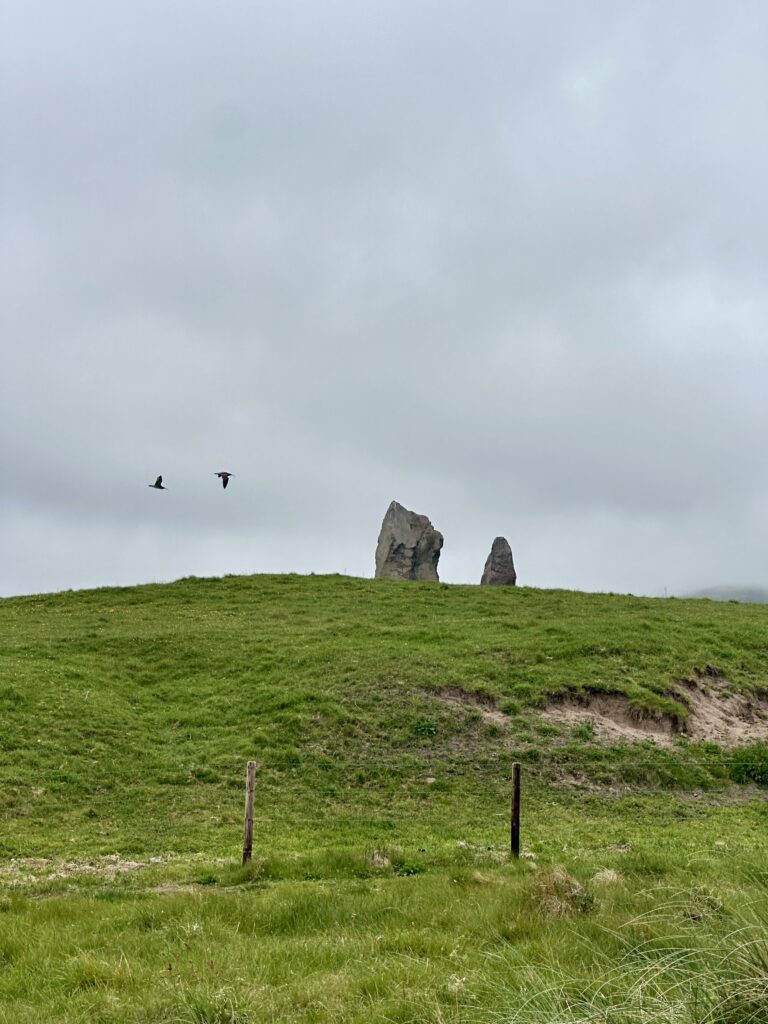
What makes the Dingle Way especially magical is its blend of rugged scenery and living culture. One moment you’re passing ogham stones and ancient beehive huts, and the next you’re stepping into a warm pub for seafood chowder, brown bread, and traditional music. The trail feels both adventurous and deeply human.
The Dingle Way is typically completed in 8–12 days and is considered a moderate long-distance trail with approximately 2,300–2,900 meters of total ascent. The route is well waymarked with the familiar yellow walking-man symbols, making it approachable for many hikers with reasonable fitness levels.
One of the best parts about hiking the Dingle Way? You do not have to carry your full luggage the entire journey.
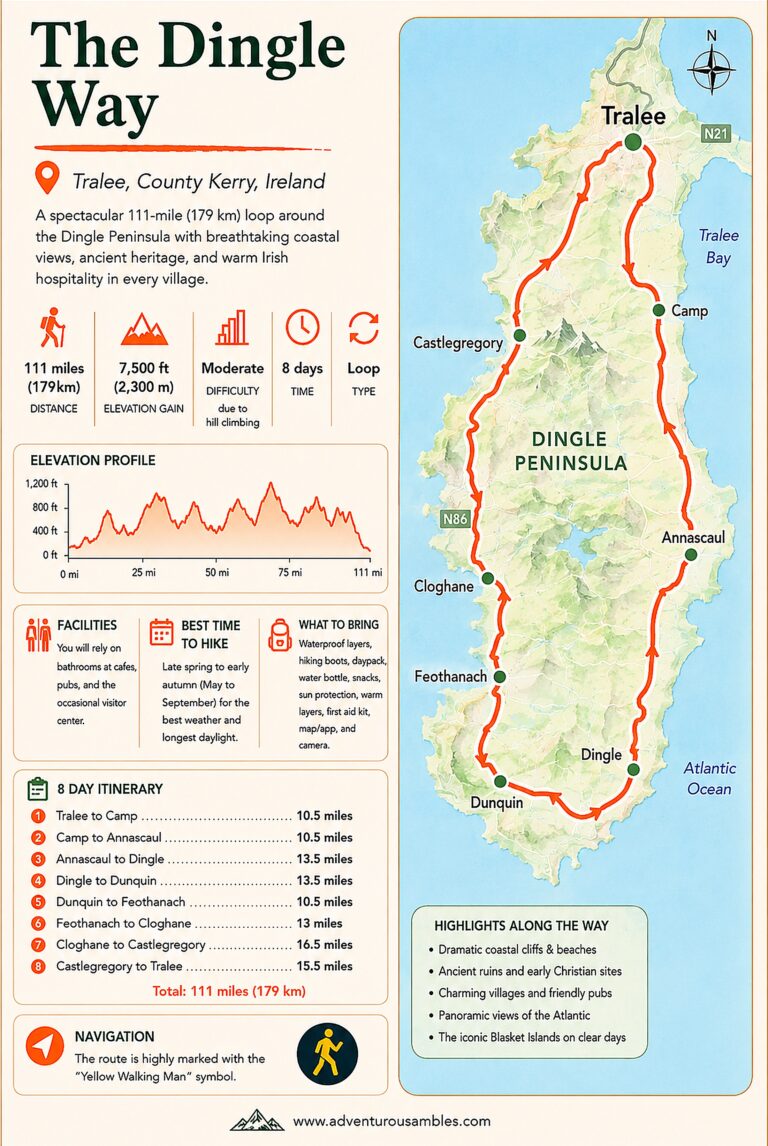
Planning to hike the Dingle Way? Save this trail guide for your adventure! This quick-reference map highlights the 111-mile (179 km) loop around Ireland’s spectacular Dingle Peninsula, including the route, elevation profile, itinerary, best time to hike, and trail essentials to help you prepare with confidence. Read our complete guide for planning tips, packing advice, and firsthand insights from hiking the Dingle Way with just a daypack.
Hassle-Free Hike Planning
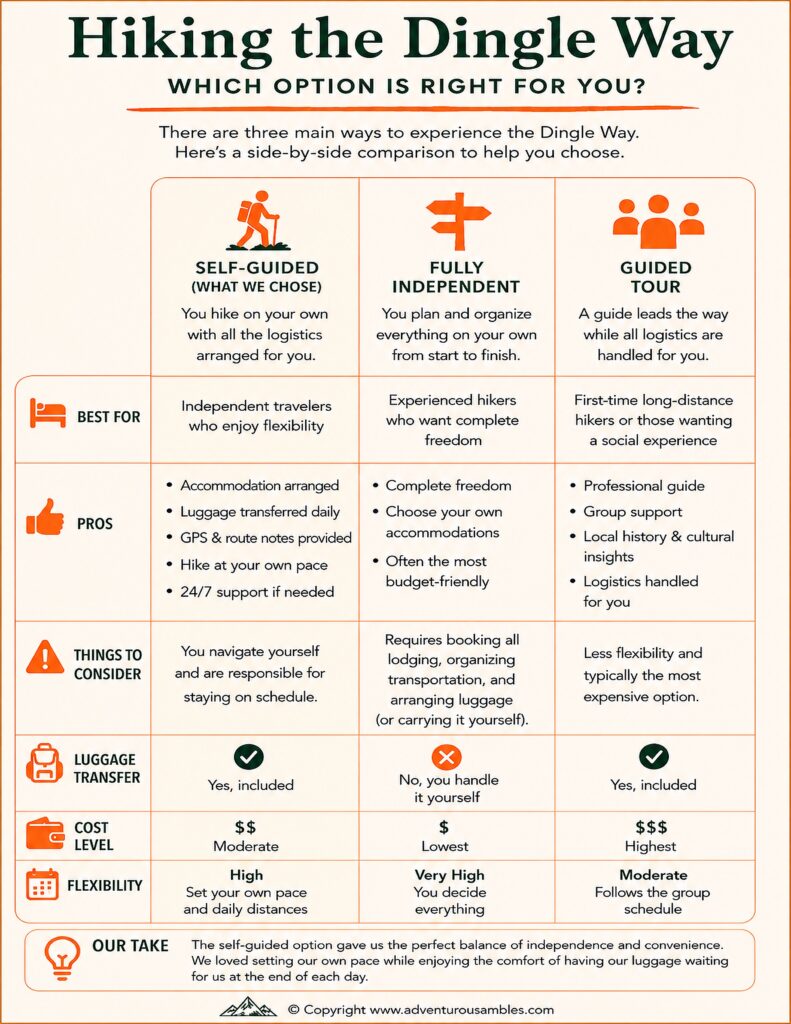
For our walk, we chose to book with a local self-guided walking company to simplify the logistics. Companies along the Dingle Way typically arrange:
- Accommodation reservations
- Daily luggage transfers
- Route notes and GPS tracks
- Emergency support
- Transportation information
- Local recommendations
That meant we could simply shoulder a daypack each morning and focus on the trail itself: the crashing Atlantic, the mountain passes, the endless green.
Most self-guided companies also allow flexibility in itinerary length, making it possible to walk only sections of the route or complete the entire circuit depending on your pace and time frame. We chose to complete 4 sections of the trail over a total of 5 days.
Self-Guided Tour Companies for the Dingle Way
Here are some of the most popular companies offering self-guided Dingle Way walking holidays:
- Hillwalk Tours: Offers gentle, moderate, and longer itineraries with luggage transfer, GPS tracks, accommodation, and 24/7 support.
- Footfalls Walking Holidays: A well-known Irish walking company specializing in inn-to-inn hiking routes with customizable itineraries.
- Absolute Escapes: Provides flexible itineraries with accommodation booking and baggage transfers.
- Celtic Trails Walking Holidays: Offers both self-guided and guided walking packages across Ireland.
- Ireland Hike Walk Bike: Provides a range of self-guided “Kerry Camino” and Dingle Way packages from 5-10 days.
Many hikers book directly through these companies because accommodation on the peninsula can fill quickly during peak walking season.
Choosing the Right Season
The Dingle Way can technically be walked year-round, but late spring through early autumn tends to offer the best balance of weather and daylight.
- Spring (April–May): One of the loveliest times to walk. The hills turn intensely green, wildflowers bloom along the trail, and lambs dot the fields.
- Summer (June–August): Long daylight hours and lively villages make summer popular, though it is also the busiest season.
- Early Autumn (September–October): A favorite for many walkers. Cooler temperatures, fewer crowds, and golden evening light make the peninsula especially beautiful.
And yes, rain is always possible. This is Ireland, after all.
Streamlined Packing List
Pack light, layer smart, and prepare for a mix of sunshine, mist, Atlantic wind, and the occasional downpour — classic Irish charm.
Here are some essentials we were grateful to have:
- Waterproof jacket and rain pants
- Comfortable, broken-in hiking boots
- Daypack with rain cover
- Layered clothing (base, mid, and outer layers)
- Refillable water bottle
- Hat, gloves, and sun protection
- Several pairs of wool socks
- First aid kit and blister care
- Offline maps or GPS app
- Portable charger/power bank
- Snacks and dry bags for valuables
- Lightweight hiking poles for steep or muddy sections
Even on sunny days, the weather can shift quickly along the coast and in the mountains. A waterproof layer is not optional here.
Navigation
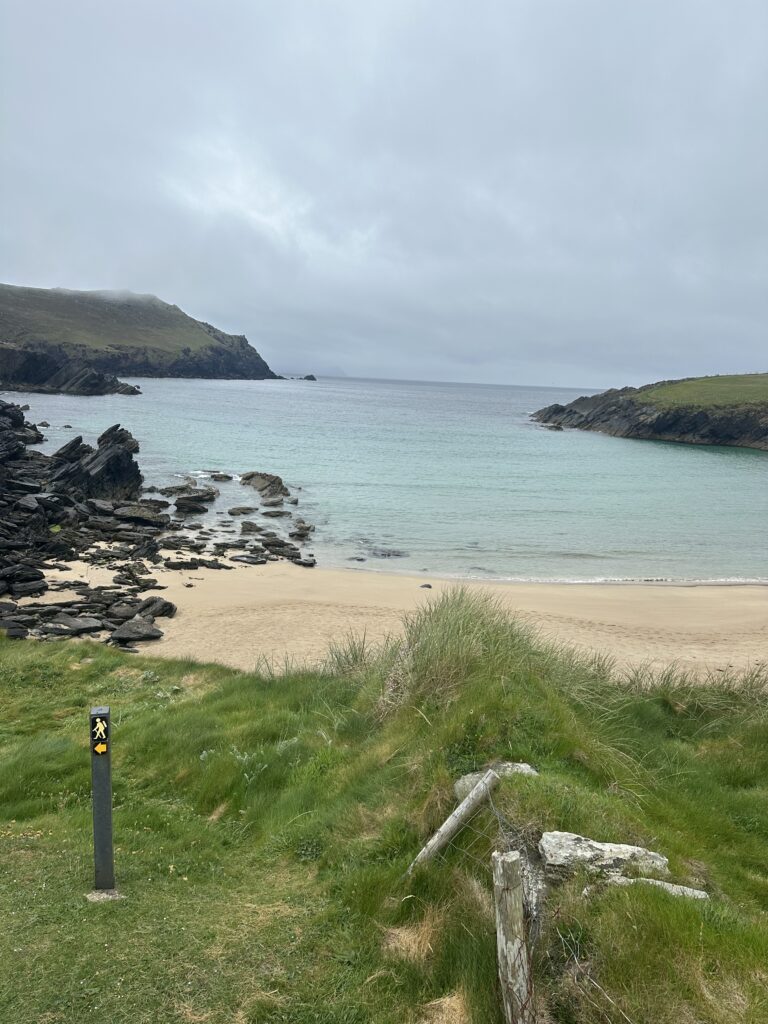
The route is generally well-marked with yellow walking-man trail markers, but fog, rain, and open hillside sections can make navigation trickier than expected.
Some helpful navigation apps include:
Carrying an offline map is also still a smart idea.
What the Trail is Really Like
The Dingle Way is considered moderate overall, but the terrain changes constantly. Some sections involve country roads with little or no shoulder. Cars are usually courteous, but staying alert is important, especially in fog or rain.
You’ll also encounter:
- Livestock gates
- Muddy bog crossings
- Rocky climbs
- Strong coastal winds
- Occasional ladder stiles
One of the most challenging sections is the crossing near Mount Brandon and Masatiompan, which reaches approximately 650 meters in elevation. However, alternate lower routes are available if weather conditions are poor.
Why We Loved Hiking the Dingle Way
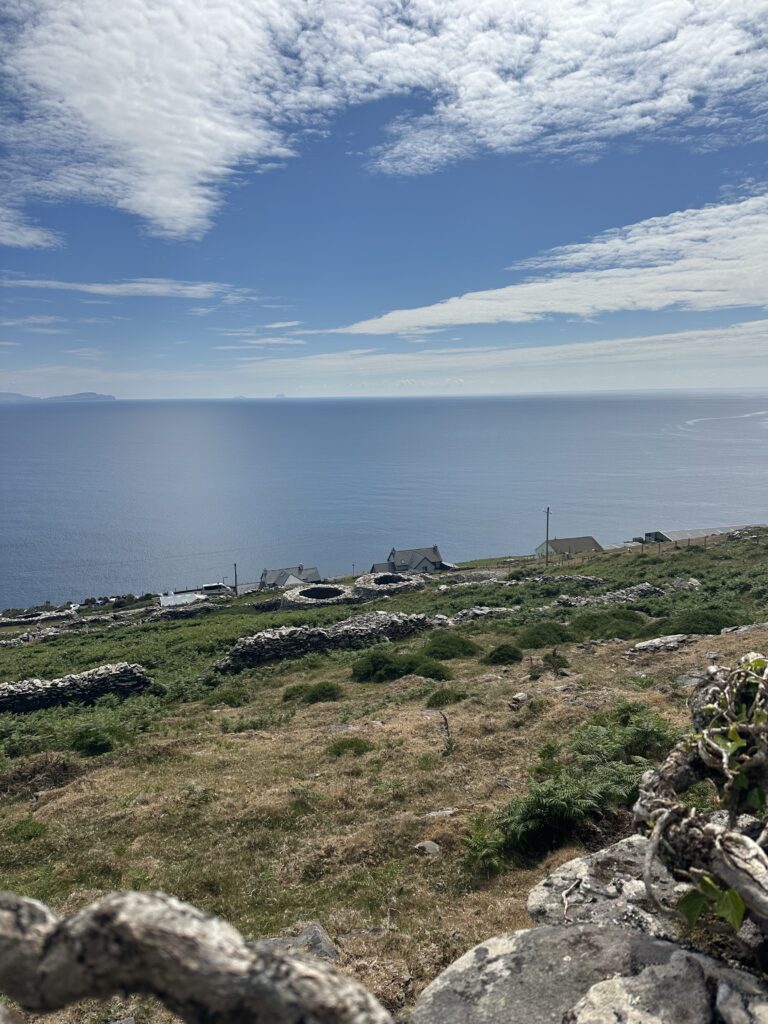
There’s something deeply grounding about walking across the Dingle Peninsula. What makes the Dingle Way so special is the rhythm of walking from village to village, the warmth of Irish hospitality, and the feeling that every bend in the trail reveals another story. Some of our most unforgettable moments included the views approaching Slea Head, taking a dip at Inch Beach, the dramatic coastline near Dunquin, and mountain passes overlooking the Atlantic. By the end of the walk, we felt completely immersed in the landscape and rhythm of the peninsula, spending our days following sheep-lined paths and our evenings settling into cozy pubs and guesthouses. The Dingle Way gave us space to slow down, appreciate the small moments, and experience Ireland one step and story at a time.
Frequently Asked Questions About Hiking the Dingle Way
Is the Dingle Way difficult?
The Dingle Way is generally considered a moderate long-distance trail. Most hikers with a reasonable level of fitness can complete it by walking 10–15 miles (16–24 km) per day. Expect a mix of quiet roads, mountain paths, muddy sections, and occasional steep climbs.
How many days do you need to hike the Dingle Way?
Most people complete the full route in 8–12 days, depending on daily mileage and preferred pace. We chose to hike four sections over five days, which was a great way to experience the peninsula without committing to the entire circuit.
Can you hike the Dingle Way with only a daypack?
Yes and we highly recommend it. Many self-guided walking companies offer daily luggage transfers, allowing you to carry only your water, snacks, rain gear, and other essentials while hiking.
Is the Dingle Way well marked?
Yes. The trail is well waymarked with Ireland’s yellow walking-man signs. We still recommend downloading offline GPS maps using apps such as AllTrails, FarOut, or Komoot, especially for mountain sections where fog and rain can reduce visibility.
When is the best time to hike the Dingle Way?
Late April through early October generally offers the best combination of weather and daylight.
- April–May: Spring flowers, lambs, and fewer visitors.
- June–August: Long days and lively villages, but more crowds.
- September–October: Cooler temperatures, beautiful evening light, and fewer hikers.
Do I need hiking boots?
We recommend waterproof hiking boots or trail shoes with good traction. The trail often includes muddy fields, wet grass, rocky paths, and uneven terrain, even during dry weather.
Can beginners hike the Dingle Way?
Many first-time long-distance hikers successfully complete the Dingle Way. If you’re comfortable walking 10–15 miles (16–24 km) per day and spend a little time training beforehand, the trail is very achievable. Booking a self-guided itinerary with luggage transfers also makes the experience much more approachable.
Are there places to eat along the trail?
Yes. Most villages have cafés, pubs, restaurants, and small grocery stores where you can enjoy a hearty meal or stock up on snacks. We especially enjoyed ending each day with fresh seafood, homemade brown bread, and a pint in one of the peninsula’s welcoming pubs.
Is the Dingle Way worth hiking?
Absolutely. The combination of dramatic Atlantic scenery, welcoming villages, ancient history, and Irish hospitality makes the Dingle Way one of the most rewarding long-distance walks we’ve experienced. It’s a trail that invites you to slow down, connect with the landscape, and experience Ireland one step at a time.
Ready to Walk the Dingle Way?
Whether you hike the entire 179-kilometer loop or explore just a few stages, the Dingle Way is an unforgettable way to experience Ireland’s Wild Atlantic Way. With thoughtful planning, a comfortable daypack, and plenty of time to pause for the views, you’ll discover why this trail has captured the hearts of walkers from around the world.
Continue exploring our Dingle Way guides below, where we share detailed stage descriptions, village highlights, and practical tips from our own journey around the peninsula.

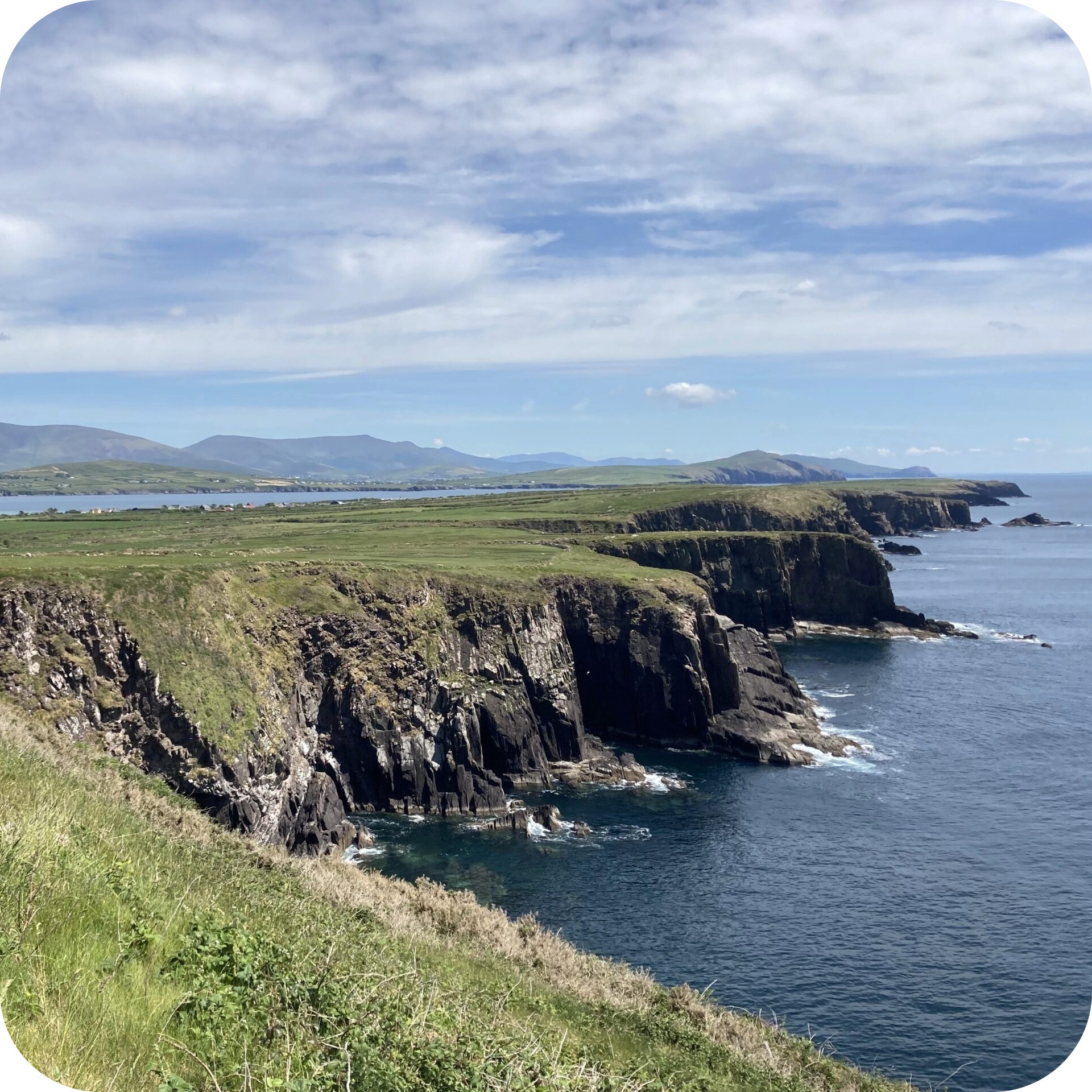
More Adventurous Ambles in Ireland

Not just travel books,
but true Irish atmosphere
Ireland Reading List

Not all Dublin stories are
in the guidebooks
Free Walking Tour of Dublin

A warm Dublin meal just steps from the Ha’penny Bridge
The Woolen Mills Restaurant in Dublin
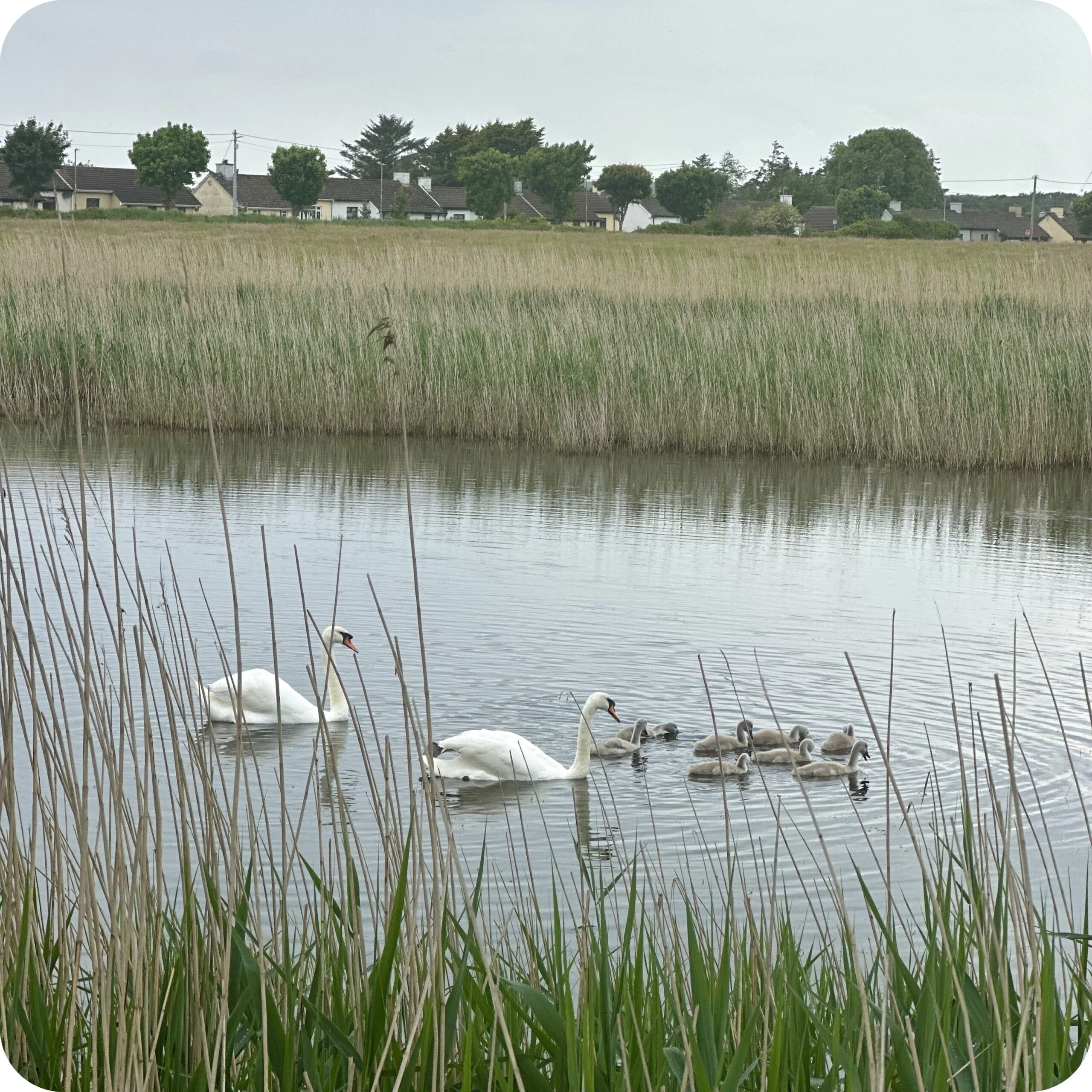
Follow the canal path
into Ireland’s past
Tralee Canal Walk
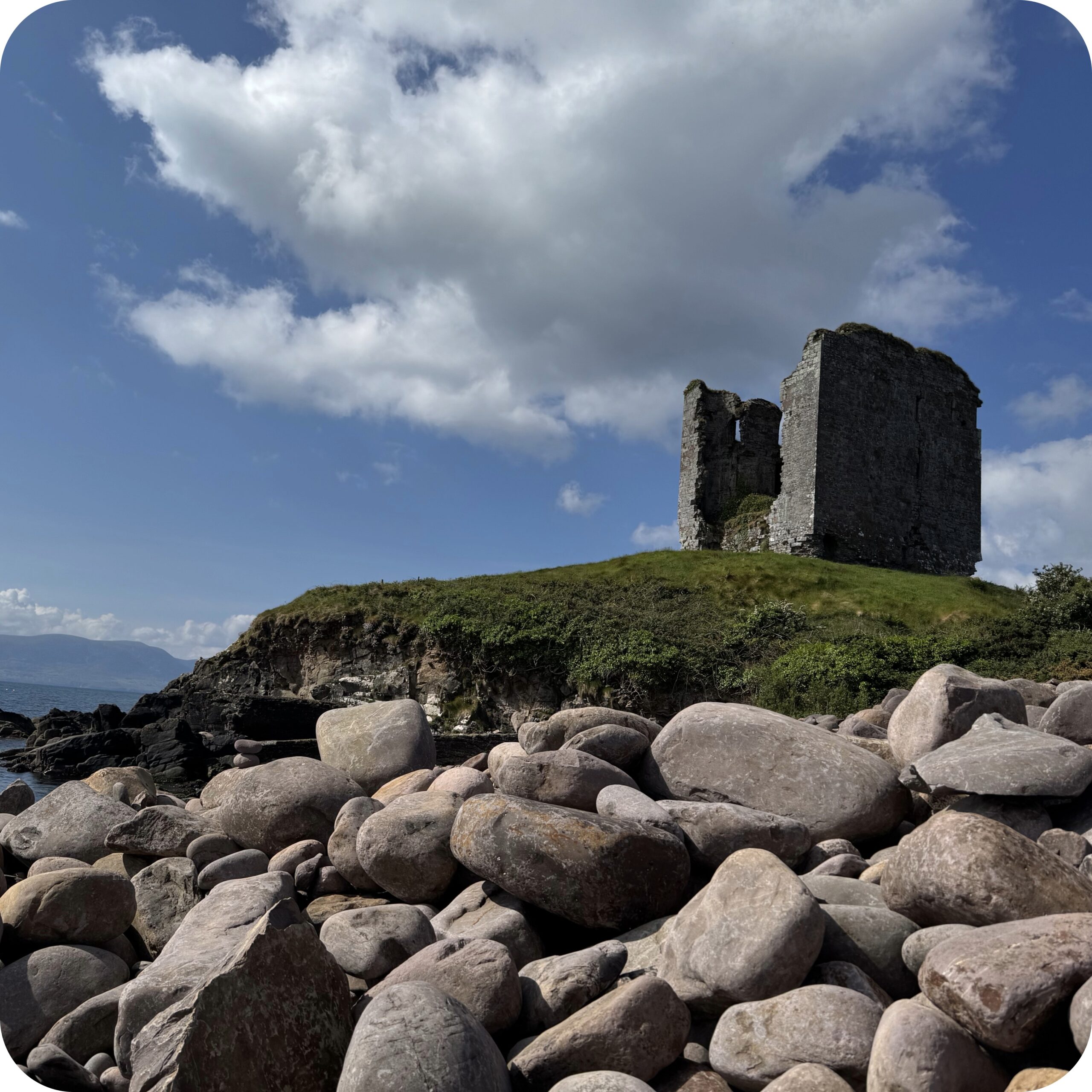
One Trail. One Castle.
Endless Views.
Annascaul to Dingle