Bali, Indonesia
Everything You Need To Plan a Bali Adventure
Bali: A Brief History
There’s something about Bali that feels both ancient and alive. Long before it became a beloved destination for travelers, this Indonesian island was shaped by waves of migration, spirituality, and artistry. Early Austronesian settlers laid its foundations, but it was the arrival of Hindu influences from Java around the 1st millennium that gave Bali its distinct cultural identity. When Islam spread across much of Indonesia in the 15th century, Bali remained predominantly Hindu, a living cultural sanctuary where temples, rituals, and daily offerings still anchor everyday life.
Dutch colonial rule arrived in the 19th century, followed by Indonesia’s independence in 1945. Since then, Bali has evolved into a global destination, yet it continues to hold tightly to its traditions, visible in every carved temple gate, every incense filled morning, and every procession that quietly passes through the streets. Today, Bali is a place where the sacred and the scenic intertwine, inviting travelers not just to visit, but to move gently within its rhythm.
Visitor Essentials: What to Know Before You Go
Visas and Entry Requirements
- Most travelers enter Bali with a Visa on Arrival (VOA) or e-VOA, depending on nationality. (approx. $35/500,000 IDR)
- Your passport must be valid for at least 6 months, with a return or onward ticket
- Complete the Indonesia Arrival Card online before arrival
- Travel insurance is recommended
Bali Tourist Tax (New and Important)
- All international visitors must pay a one-time tourist levy of IDR 150,000 (~$10 USD)
- This fee supports environmental and cultural preservation
- Pay online before arrival or at the airport
Best Time to Visit
Bali is a year-round destination, but the island shifts with the seasons:
- Dry Season (May–October): Warm, sunny, ideal for beach days and exploring
- Wet Season (November–April): Lush landscapes, fewer crowds, short tropical rains
For that sweet spot, aim for May, June, or September.
What to Pack
Pack light, but pack thoughtfully. Bali invites both adventure and ease.
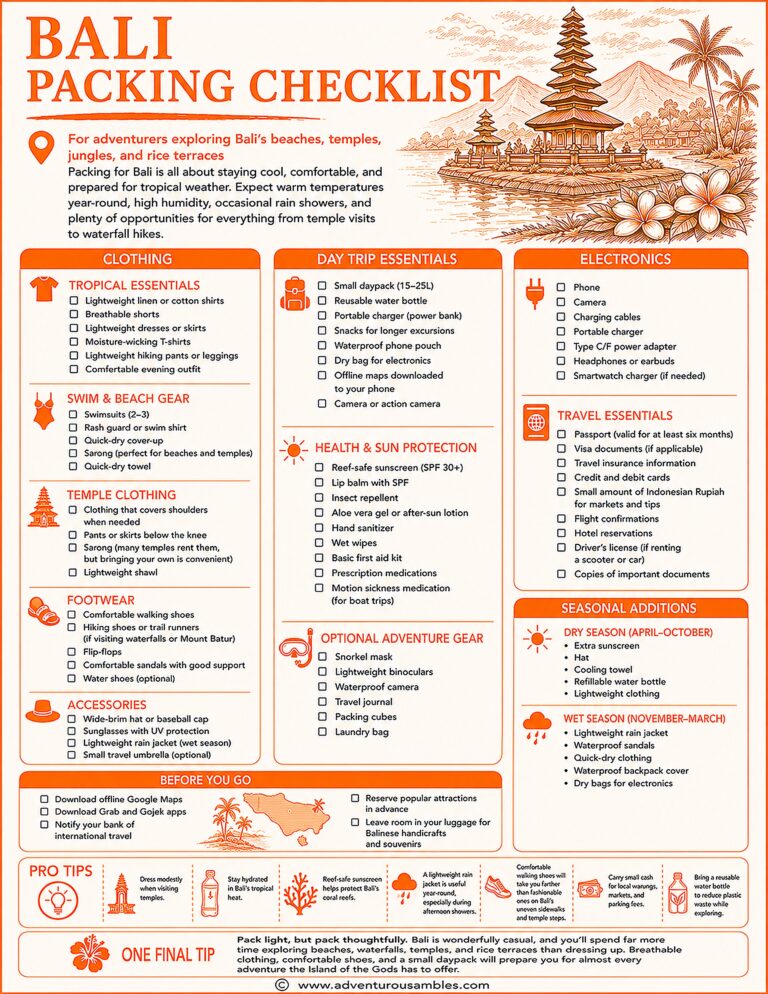
Save this printable Bali Packing Checklist before you go. From tropical clothing and temple essentials to beach gear, electronics, seasonal packing tips, and practical travel advice, this one-page guide helps you stay comfortable and prepared for every adventure on the Island of the Gods. Download it, print it, or save it to your phone for easy reference before exploring Bali’s beaches, waterfalls, rice terraces, temples, and vibrant markets.
Costs: Flights, Hotels and Daily Spend
Bali meets you where you are, budget or barefoot luxury:
- Flights (from the U.S.): ~$700–$1,500 roundtrip
- Hotels:
- Budget: $15–$40/night
- Mid-range: $50–$150/night
- Luxury villas: $200+
- Daily spend:
- Budget: ~$30–$60
- Mid-range: ~$70–$150
- Luxury: $200+
Getting Around Bali
Movement here is part of the story:
- Private drivers for day trips (easy and affordable)
- Average cost: IDR 500k–900k ($35–$55 USD) for a full 10-12 hour day
- Bali Hire Driver or Bali Tour Driver
- You can also often hire a driver through your hotel or villa.
- Scooter rentals (best for confident riders)
- Average cost: 50,000–100,000 IDR ($3–$7 USD)
- Requirements: Adults (18+), Valid driver’s license, International Driving Permit (IDP) with motorcycle endorsement (In the US, you can apply for this through AAA).
- Local shops are abundant in tourist areas.
- BaliMotion or Melalie App
- Ride apps like Grab and Gojek
- Minimal public transport—plan accordingly
Currency and Payments
- Currency: Indonesian Rupiah (IDR)
- Cash is common for small purchases
- Cards widely accepted at hotels and restaurants
- Use licensed money changers or ATMs
- Online platforms for conversion rates include Xe or Wise
- Helpful Tip: Smartphones have built-in converters within their default calculator application.
Language
- Official: Bahasa Indonesia
- Local: Balinese
- English widely spoken in tourist areas
Time Zone
- Central Indonesia Time (WITA)
- UTC +8 (no daylight saving time)
Frequently Asked Questions
Do I need a visa to visit Bali?
Many travelers, including U.S. citizens, can enter Indonesia with a Visa on Arrival (VOA) or apply for an electronic Visa on Arrival (e-VOA) before traveling. Visitors must also pay Bali's tourist levy, which helps support the island's culture and environment. Always check the latest entry requirements before your trip, as regulations can change.
What is the best time to visit Bali?
The best time to visit Bali is during the dry season, from April through October, when you'll find sunny skies, lower humidity, and ideal conditions for beaches, hiking, and sightseeing. If you prefer fewer crowds while still enjoying good weather, May, June, and September are excellent months to visit.
How many days should I spend in Bali?
For a first visit, plan to spend 7–10 days exploring Bali. This gives you time to experience Ubud's temples and rice terraces, relax on the southern beaches, visit eastern Bali, and enjoy a few scenic walks. If you want to include nearby islands like Nusa Penida or the Gili Islands, 10–14 days is even better.
What is the best way to get around Bali?
The easiest ways to get around Bali are by private driver, ride-hailing apps like Gojek or Grab, or renting a scooter if you're an experienced rider with the proper license. Because traffic can be heavy, many visitors hire a private driver for day trips between different regions of the island.
Is Bali safe for travelers?
Yes. Bali is generally considered a safe destination for solo travelers, couples, and families. As with any destination, use common sense by keeping valuables secure, respecting local customs and temple etiquette, staying aware of traffic, and exercising caution when swimming at beaches with strong currents. Respecting Balinese culture and local guidelines will help ensure a safe and enjoyable visit.
Traveling Bali, the Adventurous Ambles Way
Bali isn’t just a destination, it’s a rhythm. It’s the quiet ritual of morning offerings, the hum of scooters weaving through palm-lined roads, the golden hush of sunset over the rice fields. Come prepared, travel with intention, and leave room for spontaneity. Because here, the most beautiful moments are the ones you stumble into, barefoot, unhurried, and fully present.
More Adventurous Ambles in Bali
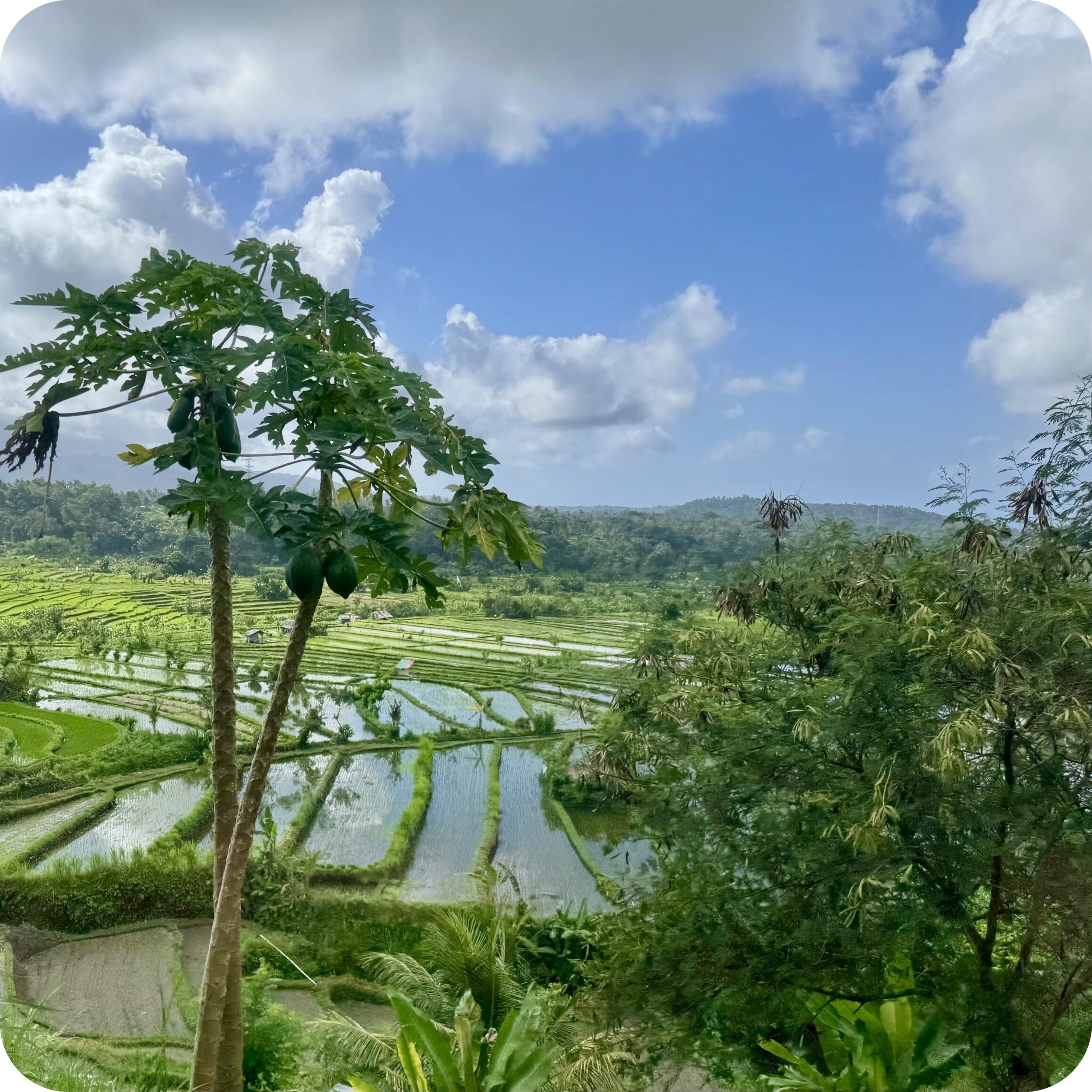
Stories that reveal the
soul of Bali
Bali Reading List
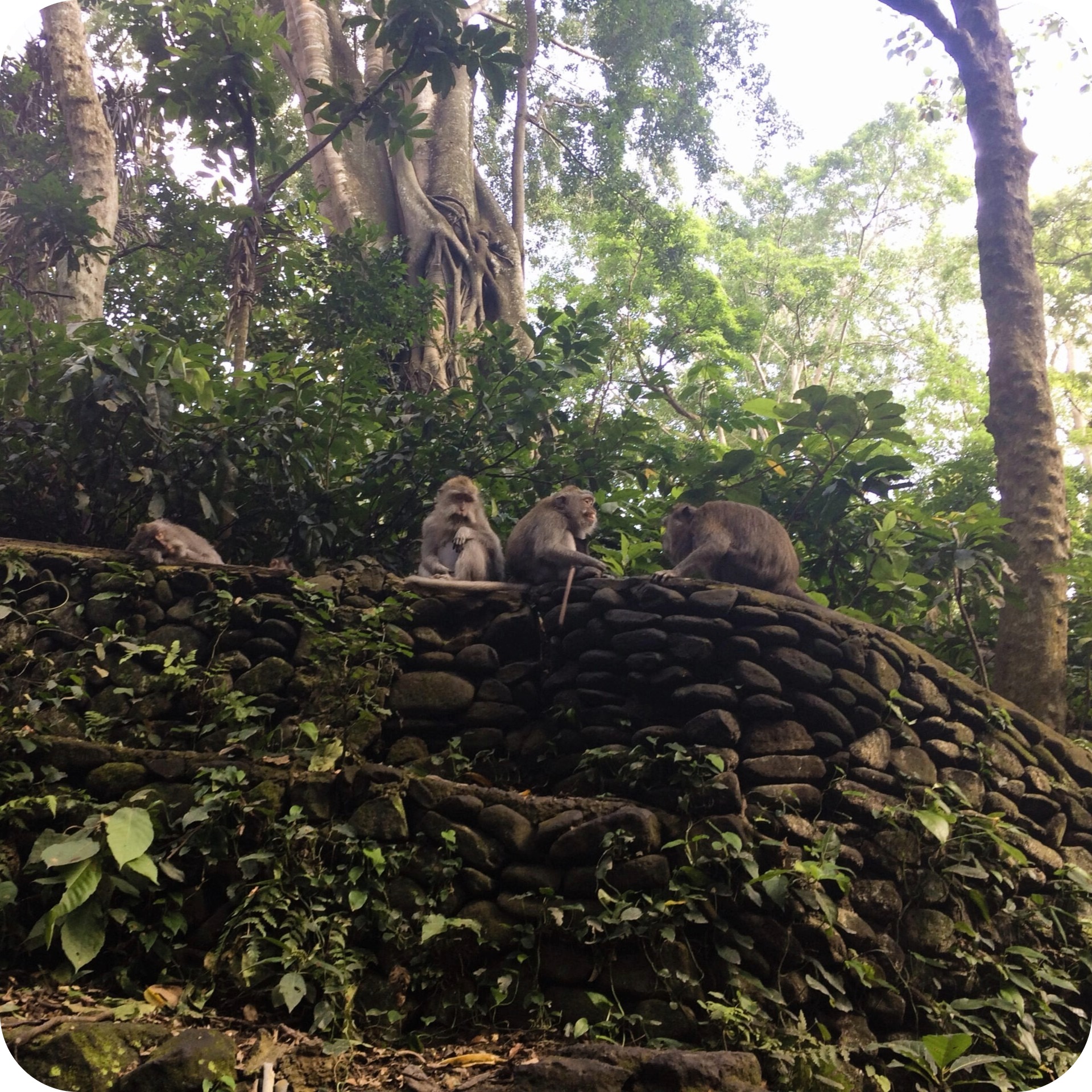
Bali’s most mischievous
walking trail
Sacred Monkey Forest Sanctuary
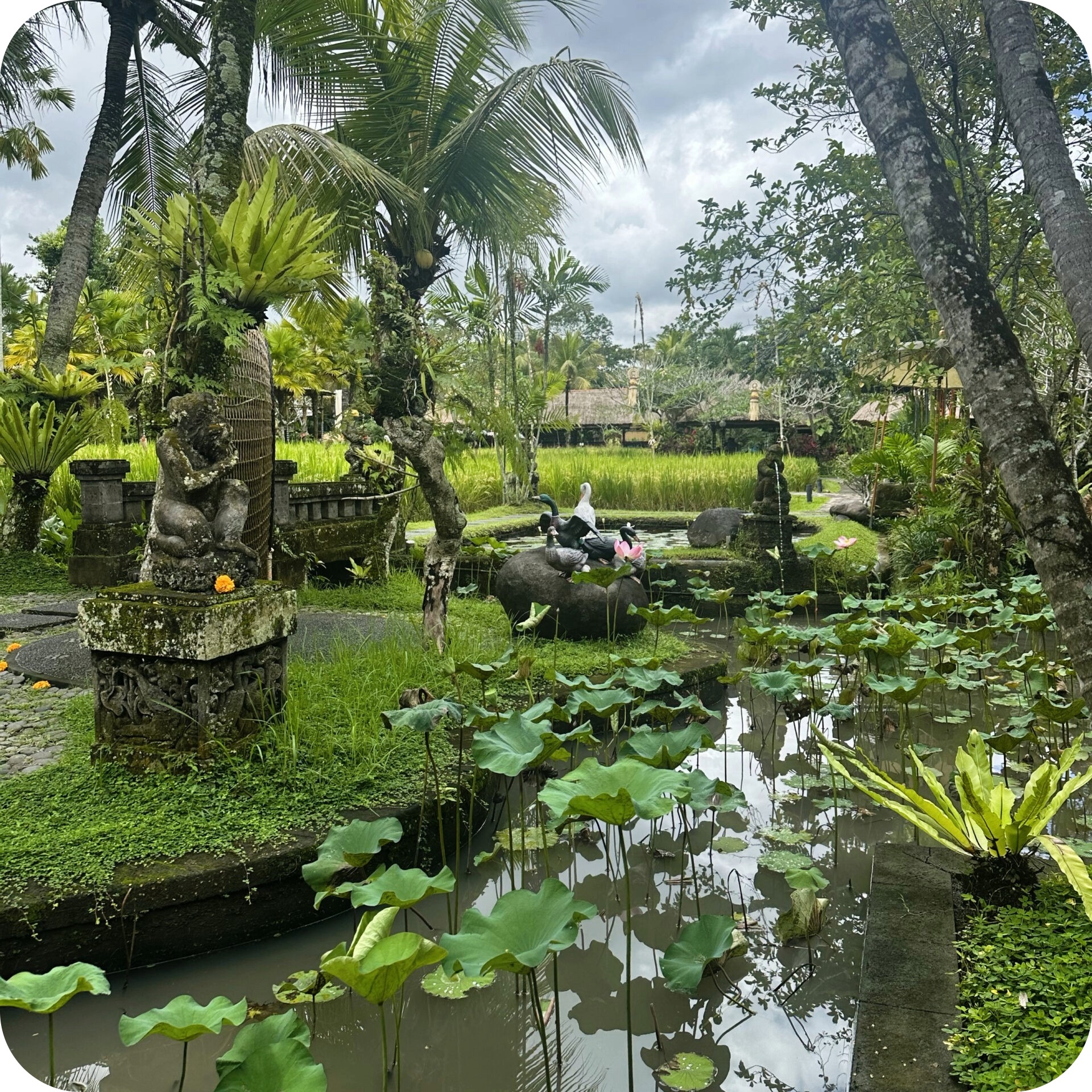
One of Ubud’s most enchanting restaurant settings
Bebek Tepi Sawah Restaurant in Ubud
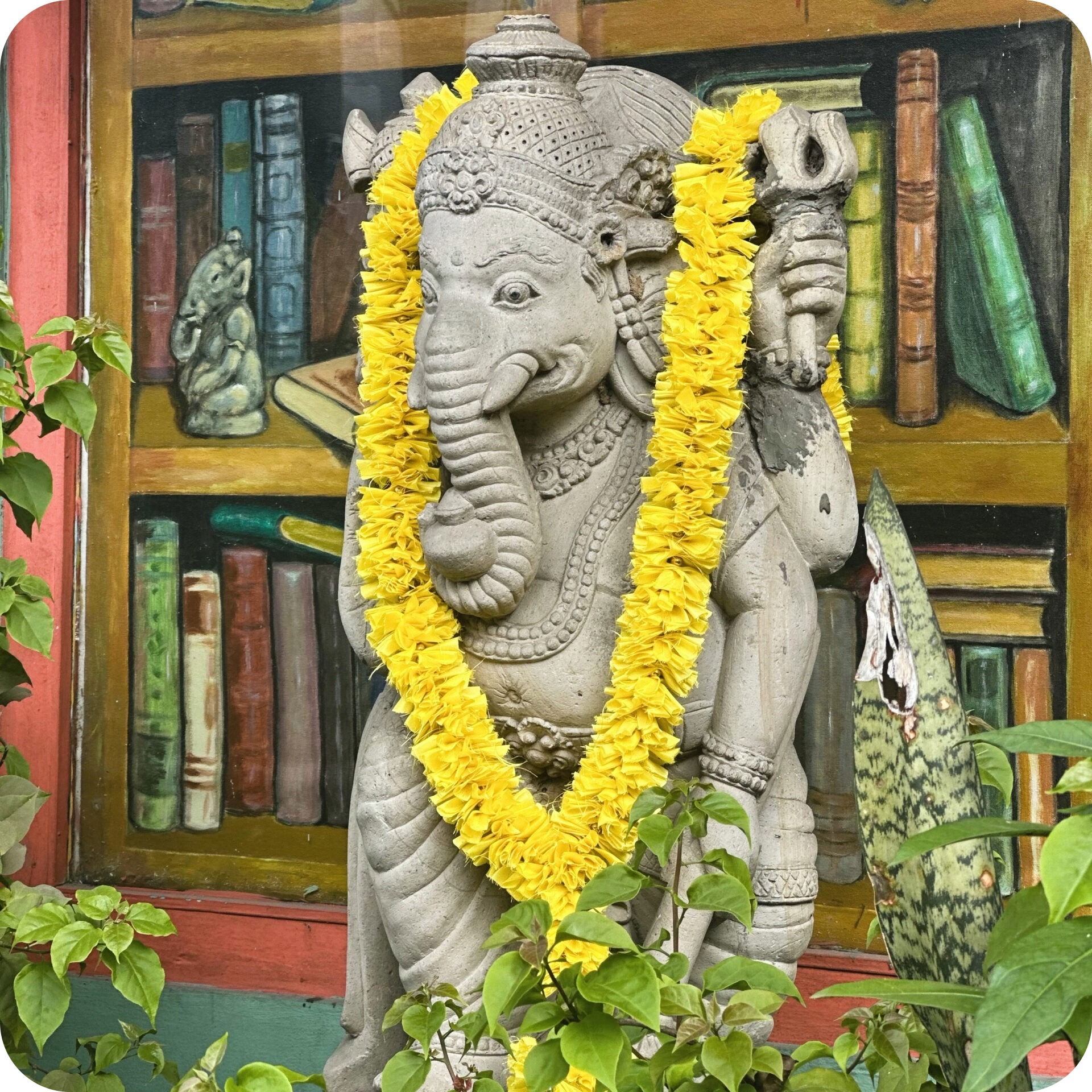
The kind of bookstore
travelers never forget
Ganesha Book Shop
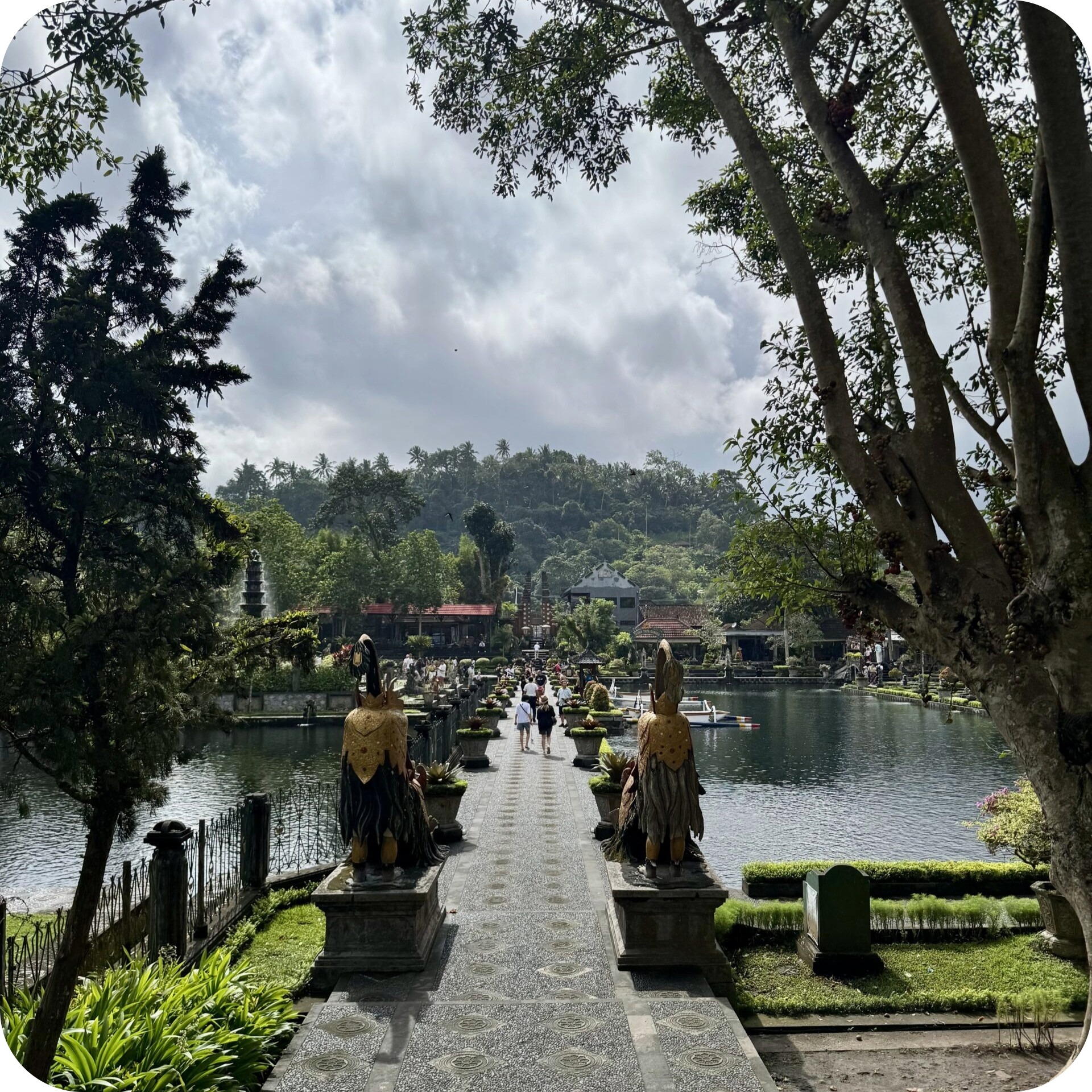
Walk across Bali’s floating
stone paths
Tirta Gangga Water Palace and Gardens
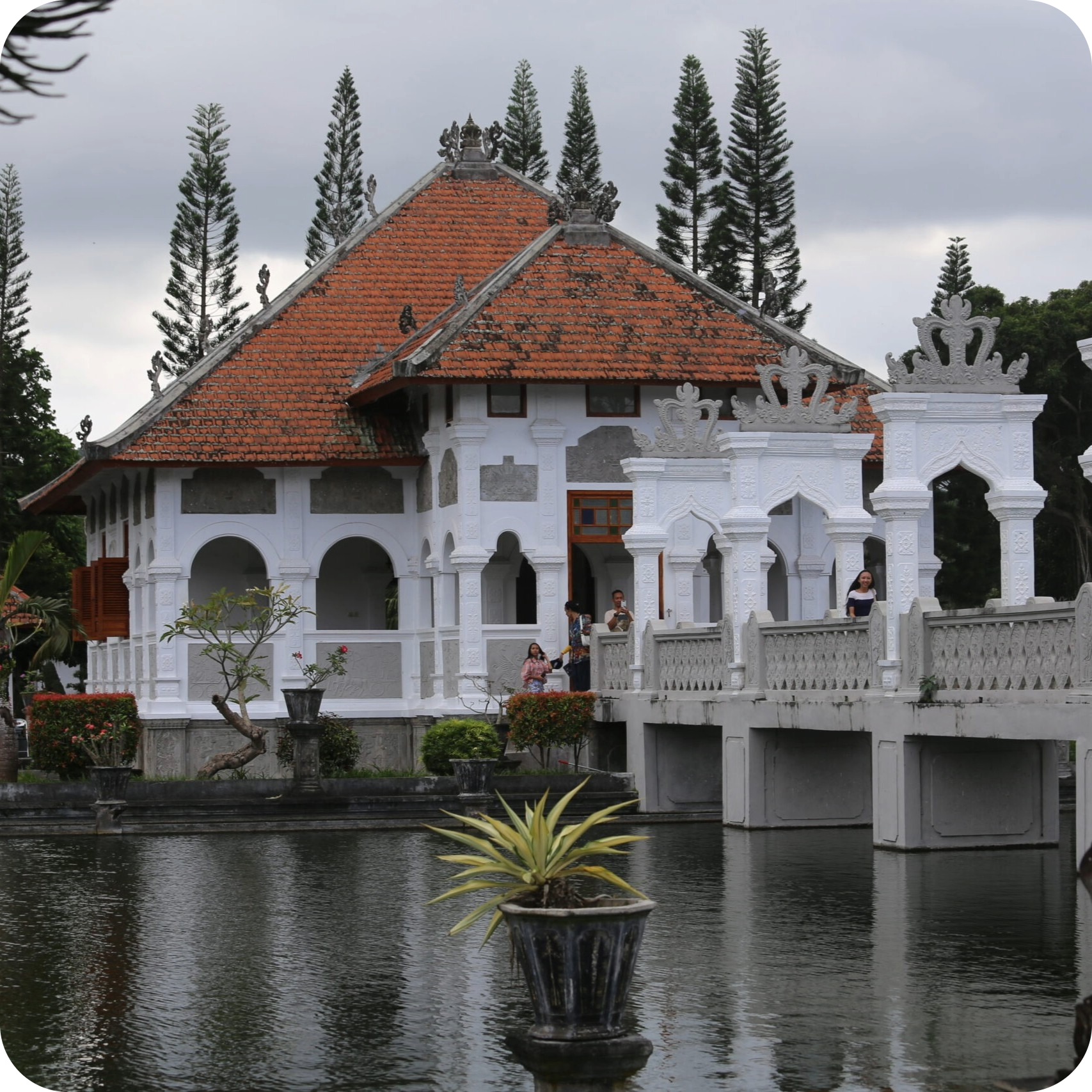
The Bali palace missed by most tourists
Taman Ujung Water Palace