A peaceful stroll through Bali's royal water garden
Tirta Gangga Water Palace and Gardens
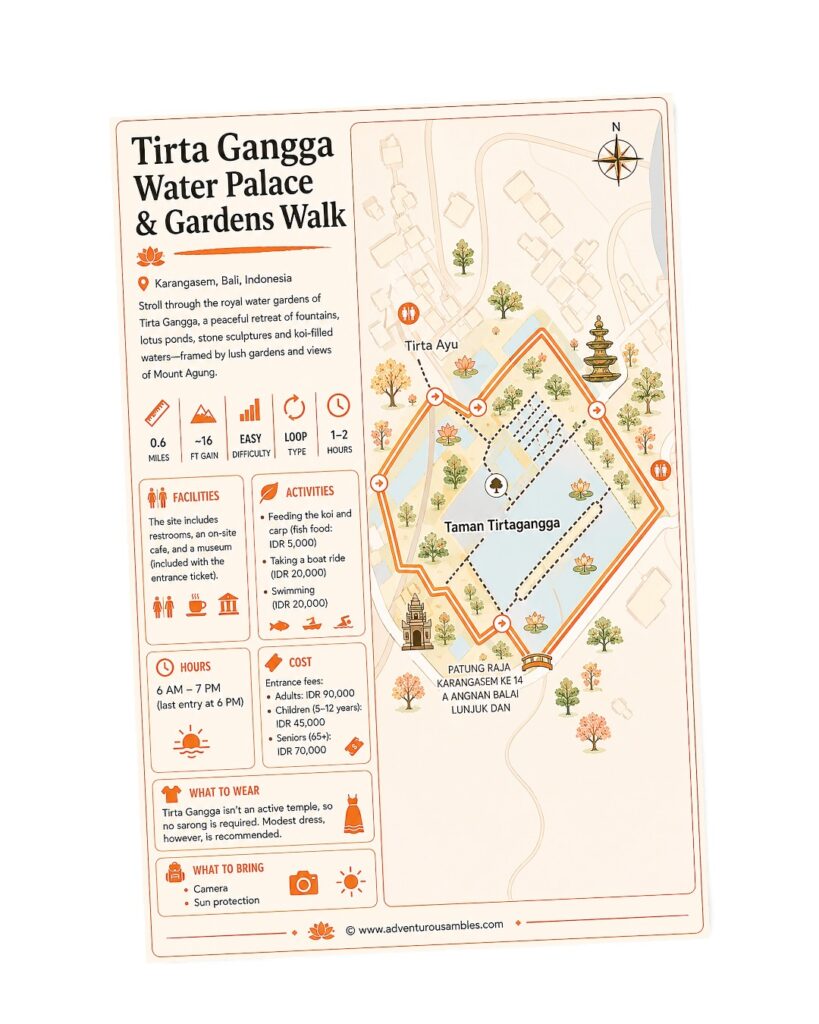
Quick Trail Notes:
-
Length: .6 miles
-
Difficulty: Easy. The trail is paved.
-
Time: 1-2 hours
-
Best time to go: Early morning (8-10 AM), Dry season (April- October)
-
Location: Jalan Raya Abang Desa Adat Jl. Raya Tirta Gangga, Ababi, Kec. Abang Kabupaten Karangasem, Bali 80852
-
Facilities: The site includes restrooms, an on-site cafe, and a museum (included with the entrance ticket).
-
Parking: Scooters: IDR 5,000 and Cars: IDR 10,000
-
Activities: Feeding the koi and carp (fish food: IDR 5,000), taking a boat ride (IDR 20,000), swimming (IDR 20,000).
-
Hours: 6 AM-7 PM (last entry at 6 PM)
-
Cost: Entrance fees: Adults: IDR 90,000, Children (5–12 years): IDR 45,000, Seniors (65+): IDR 70,000. The fee covers access to the gardens, fountains, central koi ponds, and the museum.
-
What to wear: Tirta Gangga isn’t an active temple, so no sarong is required. Modest dress, however, is recommended.
-
What to bring: Camera, Sun protection
In the quiet folds of East Bali, far from the island’s busier corners, lies Tirta Gangga, a lovely spot for a tranquil garden stroll. Here, water, history, and stillness intertwine, and every step invites you to slowly take it in.
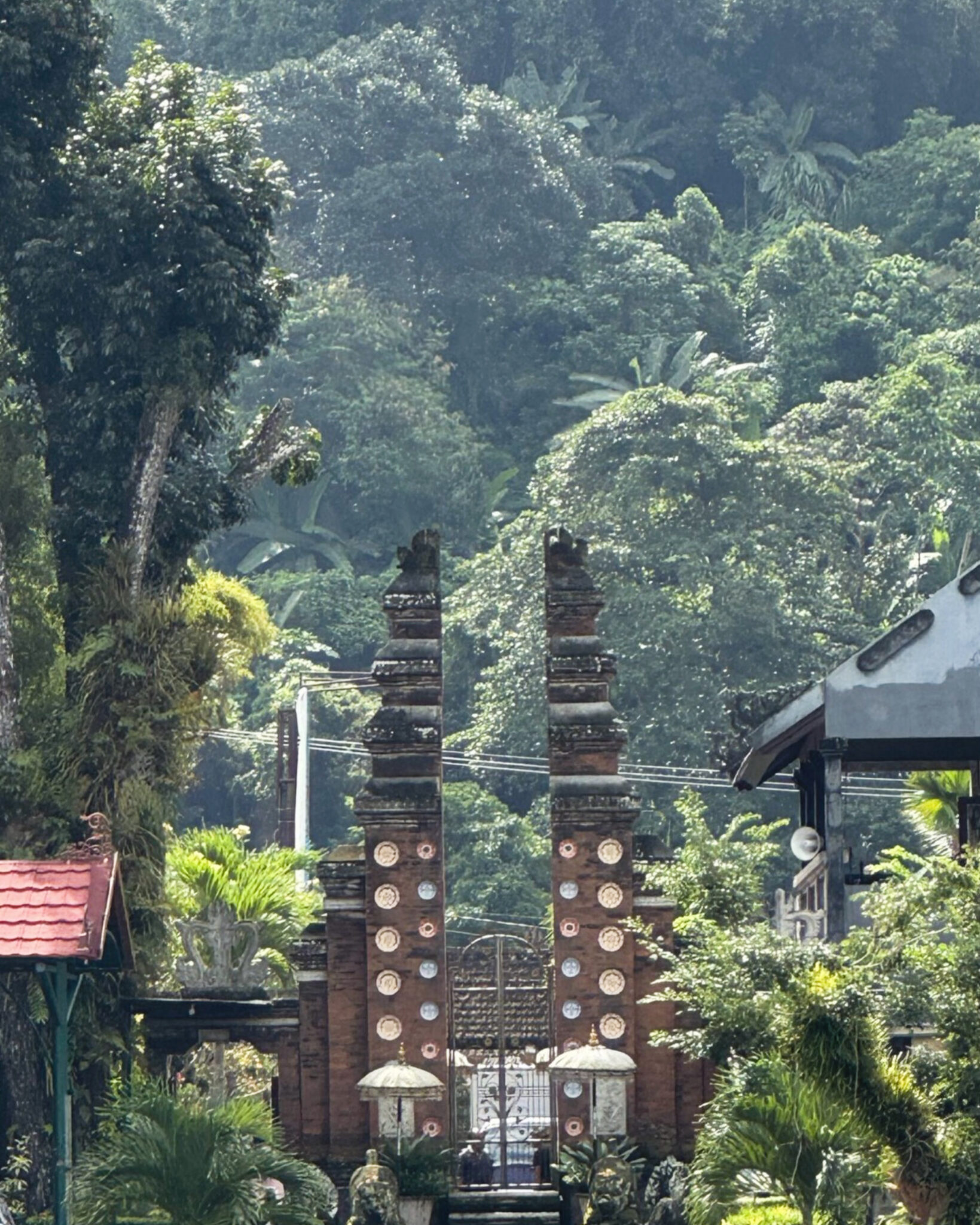
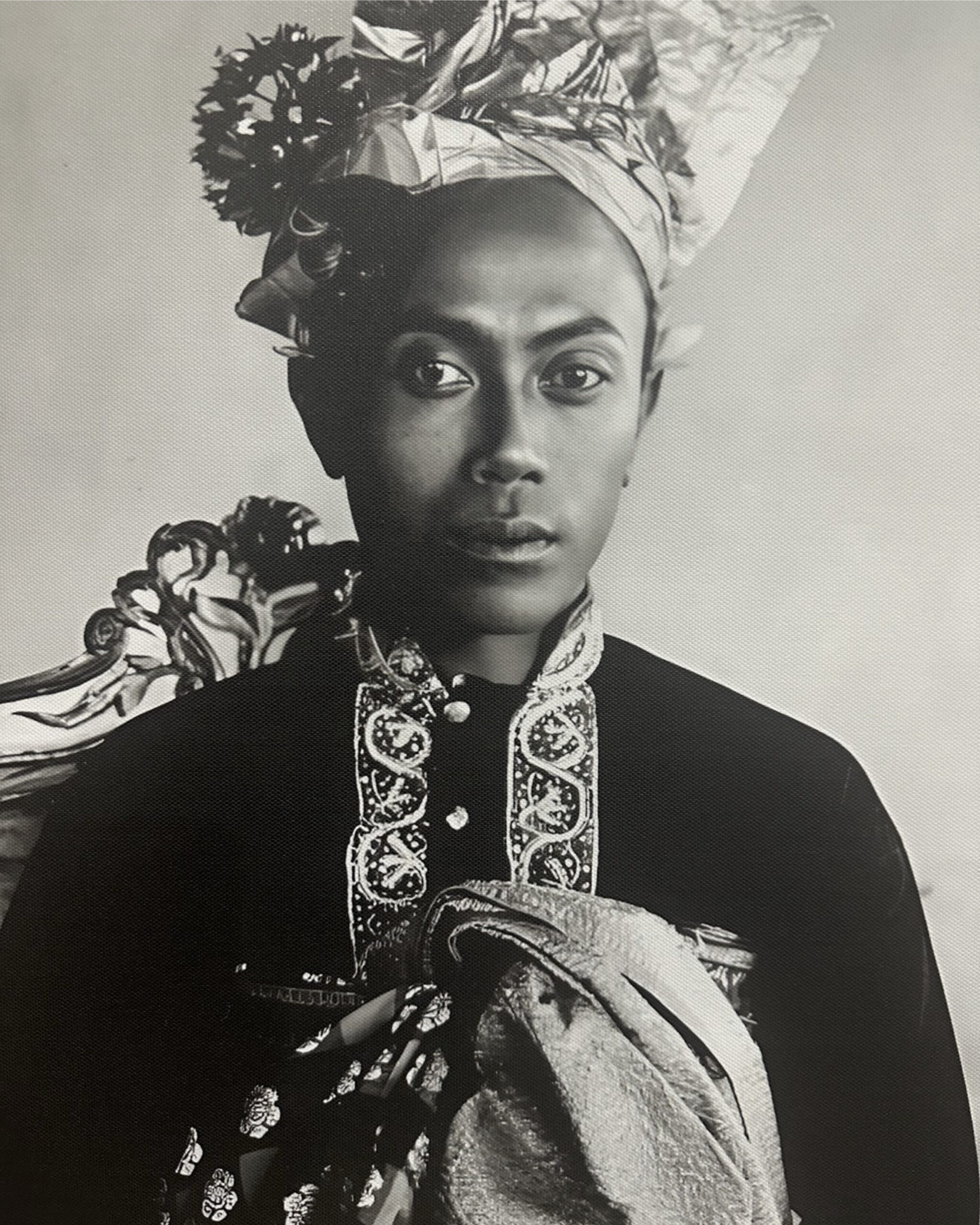
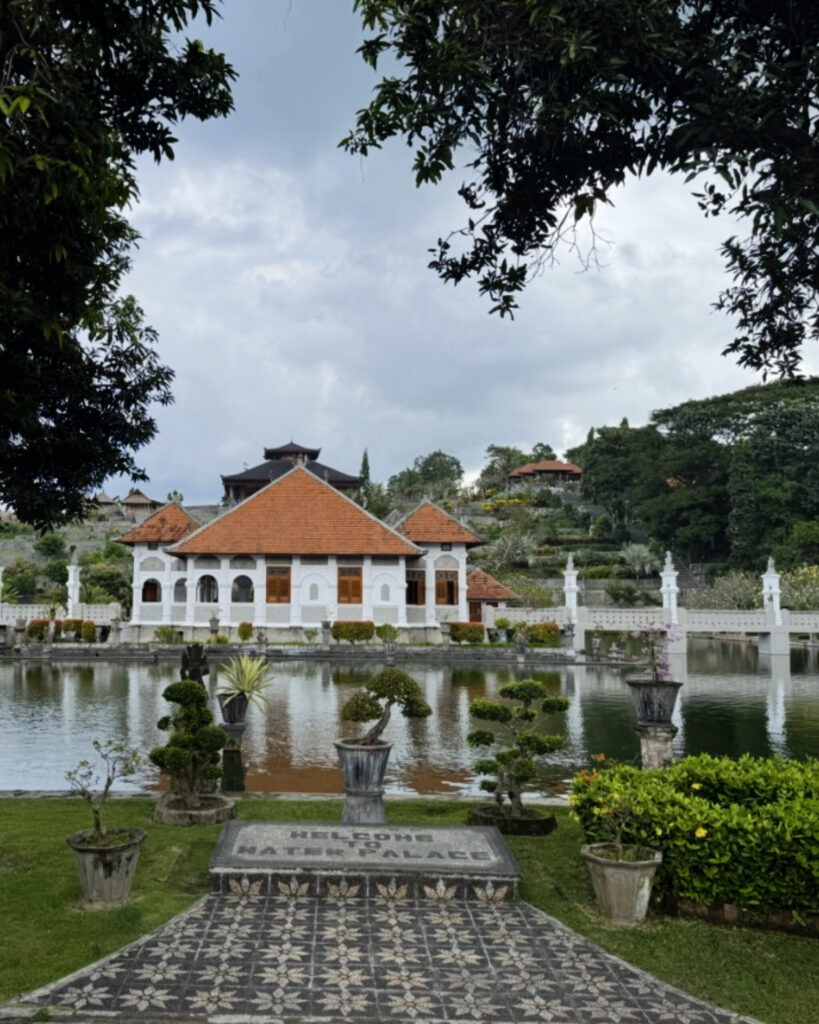
Begin at the entrance and let the path guide you inward. Built in 1946 by the last King of Karangasem, Anak Agung Anglurah Ketut Karangasem, Tirta Gangga was designed as both a royal retreat and a place of spiritual purification. Its name, Water of the Ganges, reflects the sacred importance of water in Balinese Hindu tradition and is a nod to the sacred river in India.
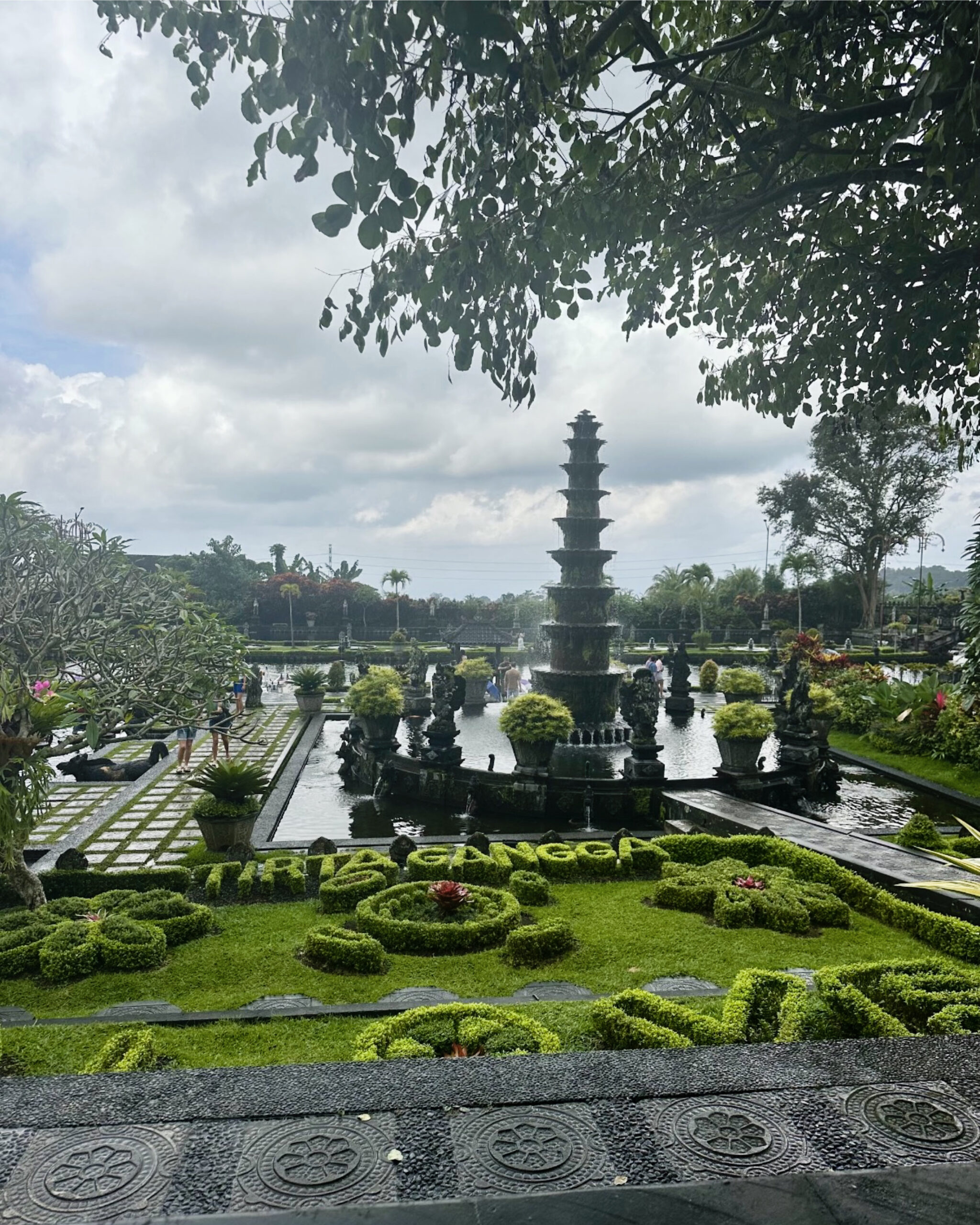
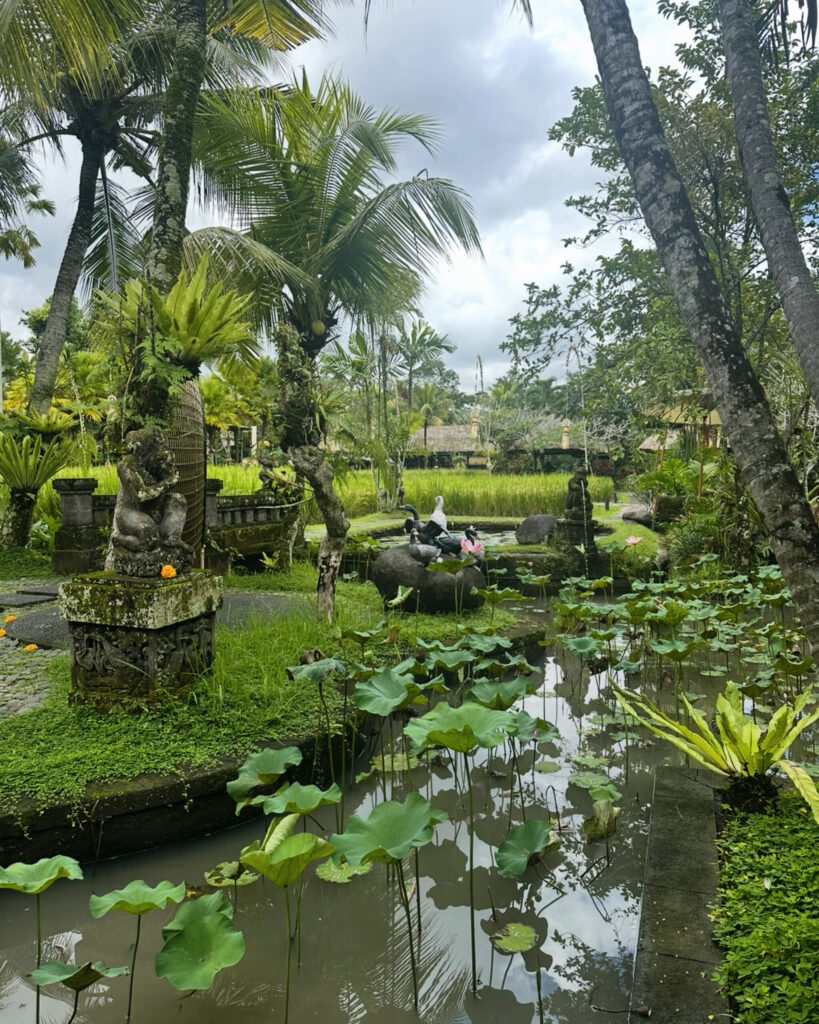
As you walk, fountains rise from still pools, statues emerge from lush greenery, and the iconic Nawa Sanga fountain stands tall at the center, its tiered form representing the nine directional deities. Water moves everywhere, trickling, flowing, reflecting. It sets a quiet rhythm for your walk.
Soon, the path leads you onto the water itself.
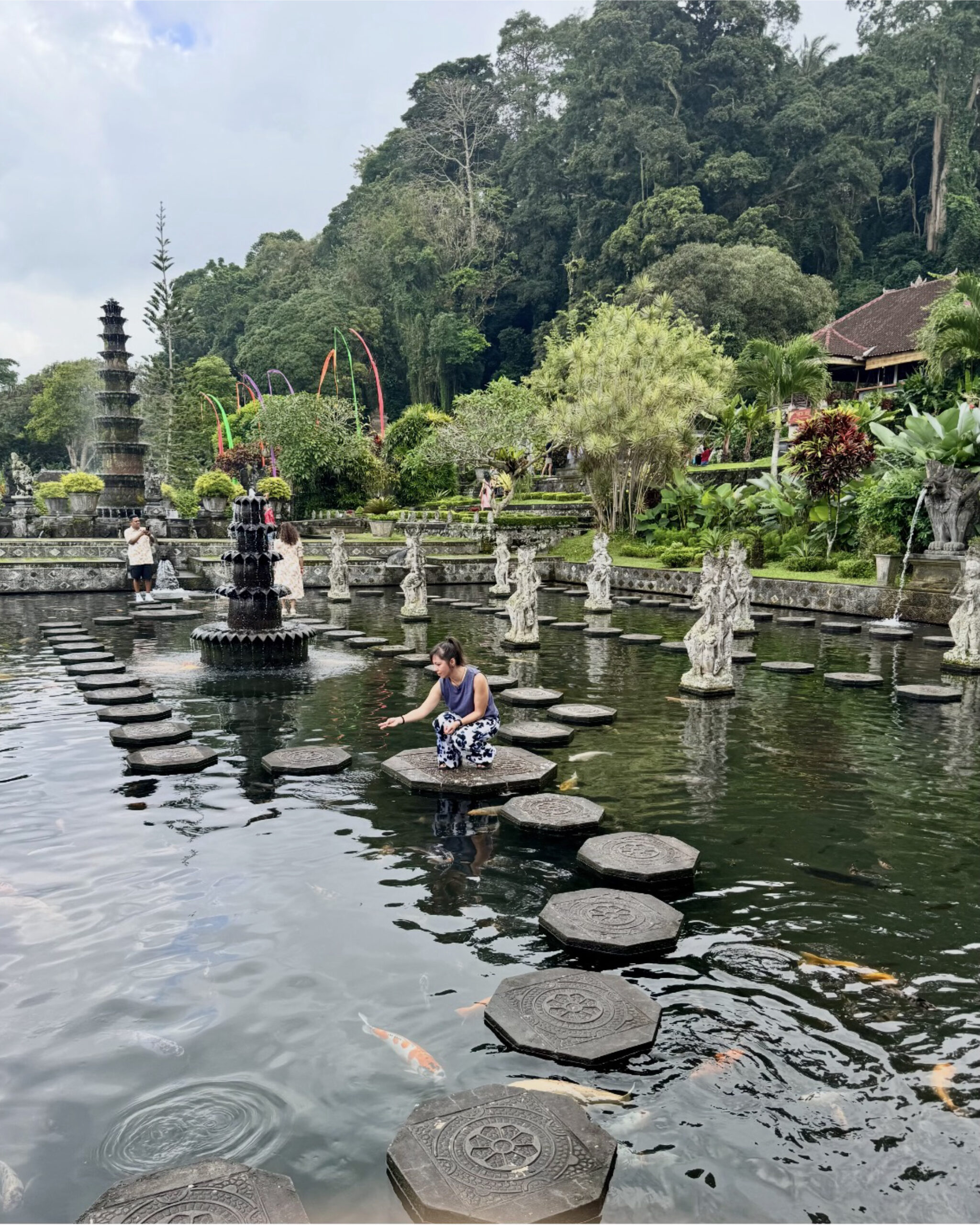
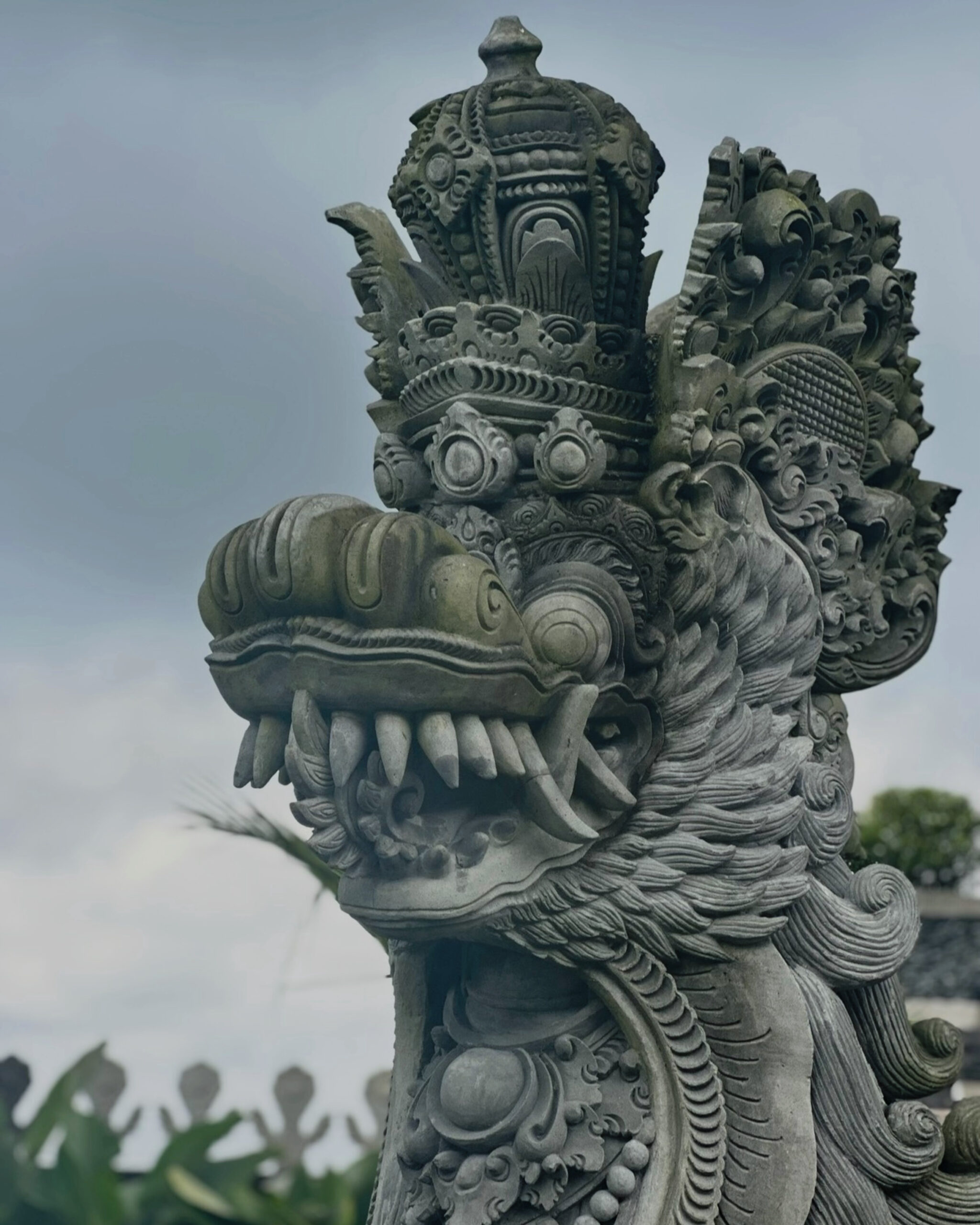
Flat stone pavers stretch across the ponds, just above the surface, providing you with a sense of walking on water. Beneath your feet, koi and carp glide in flashes of orange, white, and gold. A magnificent collection of stone sculptures, each depicting mythical creatures, stands watch over each step you take.
Small packets of fish food are sold nearby, and feeding them becomes part of the stroll. Ripples expand outward, the water coming alive with movement. It’s a simple, playful moment that’s perfect for a photograph.
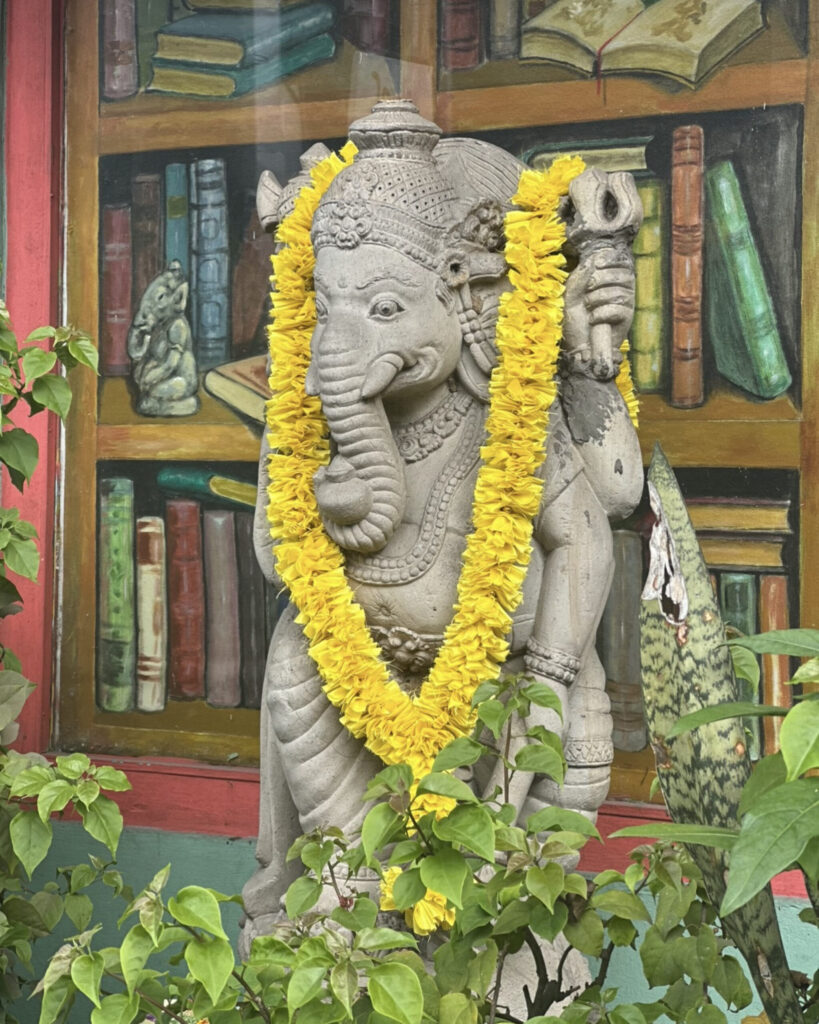
Continue your stroll into the terraced gardens, where the pace slows even further. Pathways wind gently upward, past moss-covered statues and quiet shrines adorned with daily offerings. The soft sound of water follows you everywhere, adding to the peacefulness of your meditative walk.
This is still a sacred space. Locals come here to bathe in the spring-fed pools, drawn by the belief in the water’s purifying qualities. You may notice incense in the air, flower petals scattered along the paths, and small moments of prayer and reflection. They are the signs of the subtle rhythm of ritual woven into this landscape.
And if the skies are clear, you’ll catch a glimpse of the beautiful Mount Agung in the distance, anchoring the horizon.
Just beyond the gardens, the path of discovery can continue with a visit to the King of Karangasem Museum. It offers a deeper look into the region’s royal lineage. Here, photographs, heirlooms, and preserved architecture tell the story of a kingdom shaped by both tradition and change.
The stroll itself isn’t long (perhaps 30 to 45 minutes if you simply follow the path) but Tirta Gangga isn’t meant to be rushed. With pauses, quiet moments, and the gentle pull of its beauty, it easily becomes an hour or two of wandering.
It’s not about covering ground. It’s about moving slowly enough to notice.
The way the water reflects the sky.
The soft echo of fountains.
The feeling of being completely at ease.
And when you leave, it’s that rhythm, the calm, unhurried cadence of the stroll, that stays with you.