PAGES FROM THE PENINSULA
Baja California Peninsula
Reading List
migrating whales, and the people drawn to the far edge of Mexico.
Read your way
between the
Pacific and the gulf
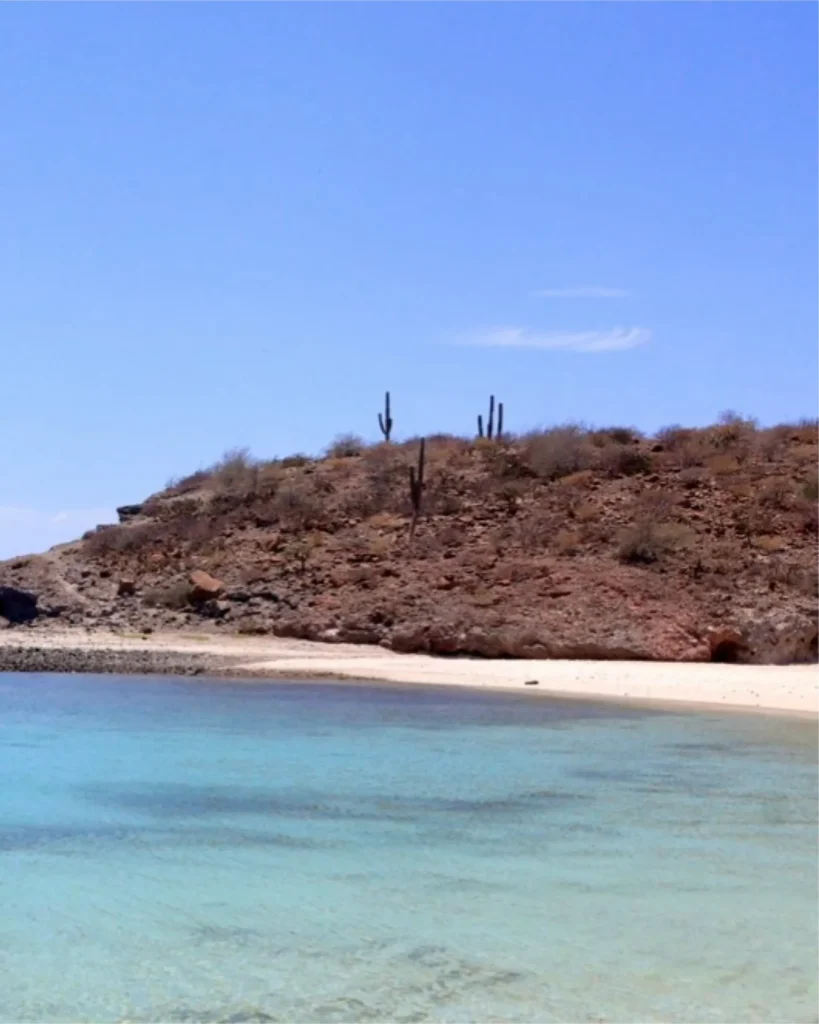
The Baja California Peninsula feels shaped by distance. Nearly eight hundred miles of desert, mountains, fishing communities, hidden coves, and open road stretch between the United States border and Cabo San Lucas. The Pacific Ocean defines one coast, the Sea of Cortez the other, and the narrow land between them contains landscapes that can appear empty until you begin to look more closely.
Travel here brings you into a world of cardón forests, volcanic islands, gray-whale lagoons, Spanish missions, prehistoric rock art, and ranches reached by roads that seem to disappear into the mountains. Modern resort towns occupy part of the peninsula, but they represent only one version of Baja. Beyond them are communities, ecosystems, and histories that reveal a region far more intricate than its reputation for beaches and desert adventure suggests.
I’ve curated a mix of travel memoirs, natural history, environmental writing, Indigenous history, and fiction. Many of these books lead directly into the deserts, islands, and waters of Baja California. Others explore the history, imagination, and cultural traditions of Mexico more broadly, offering valuable context for understanding the peninsula as part of a much larger and more varied country. Whether you are preparing for a Baja road trip or exploring from home, these books can help you travel with greater curiosity and connection. You can find many of them through Bookshop.org, which supports independent bookstores.
THE READING LIST
01
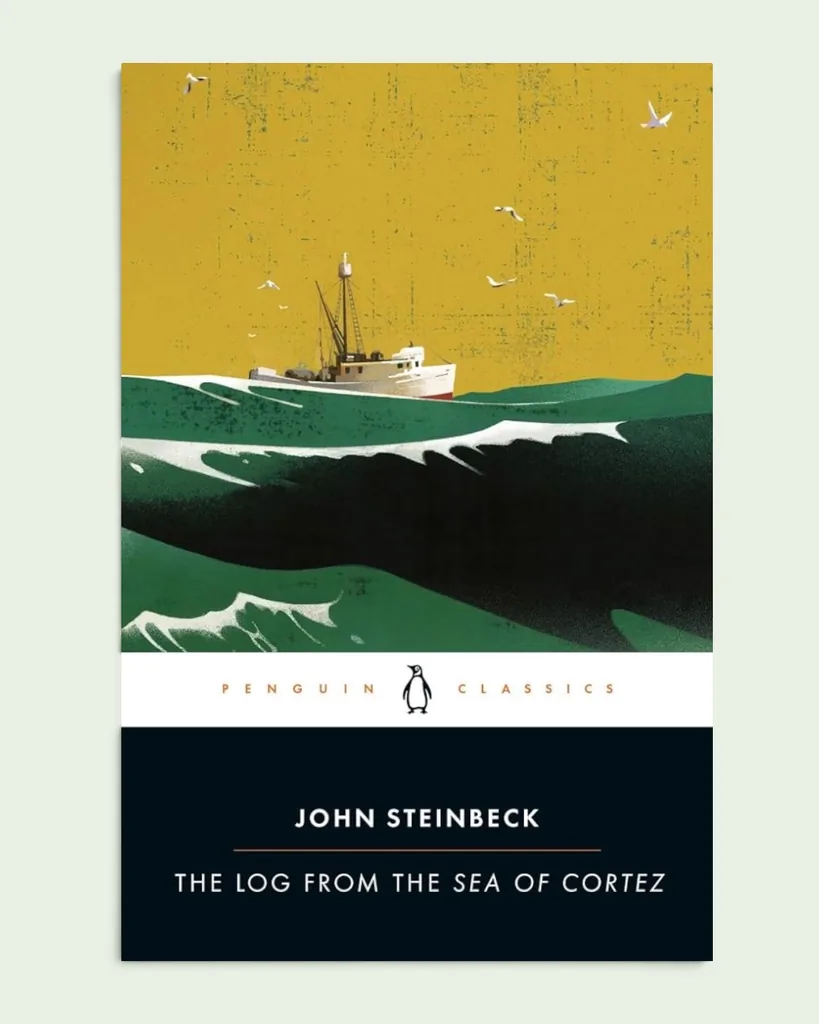
Begin with the classic account of John Steinbeck and marine biologist Ed Ricketts sailing around the Gulf of California in 1940. What starts as an expedition to collect marine specimens becomes a thoughtful meditation on ecology, friendship, scientific curiosity, and humanity’s place within the natural world. The coastal communities have changed considerably since their voyage, but the book’s sense of wonder remains an evocative introduction to Baja and the extraordinary sea beside it.
02
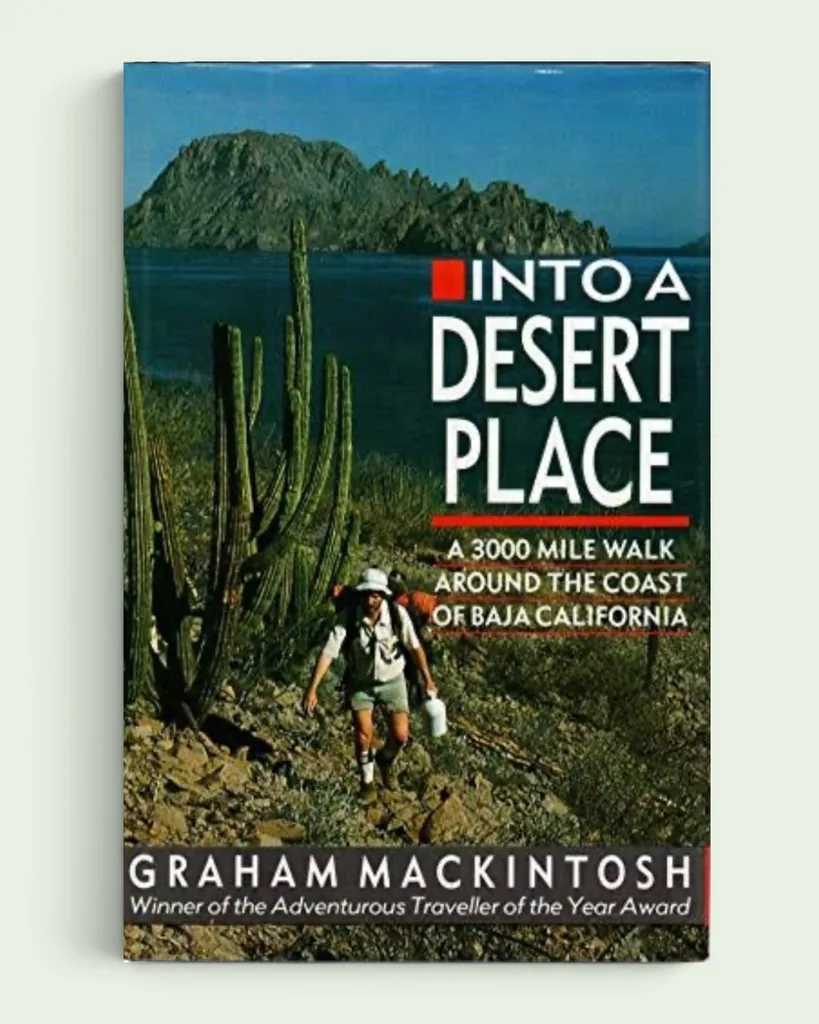
With little money and almost no long-distance walking experience, Graham Mackintosh sets out to travel the entire coastline of the Baja California Peninsula on foot. His route carries him across isolated beaches, arid plains, rocky headlands, and long stretches without dependable water. Filled with wrong turns, unlikely assistance, and hard-earned lessons, this is a classic adventure narrative about discovering both the severity and generosity of Baja.
03
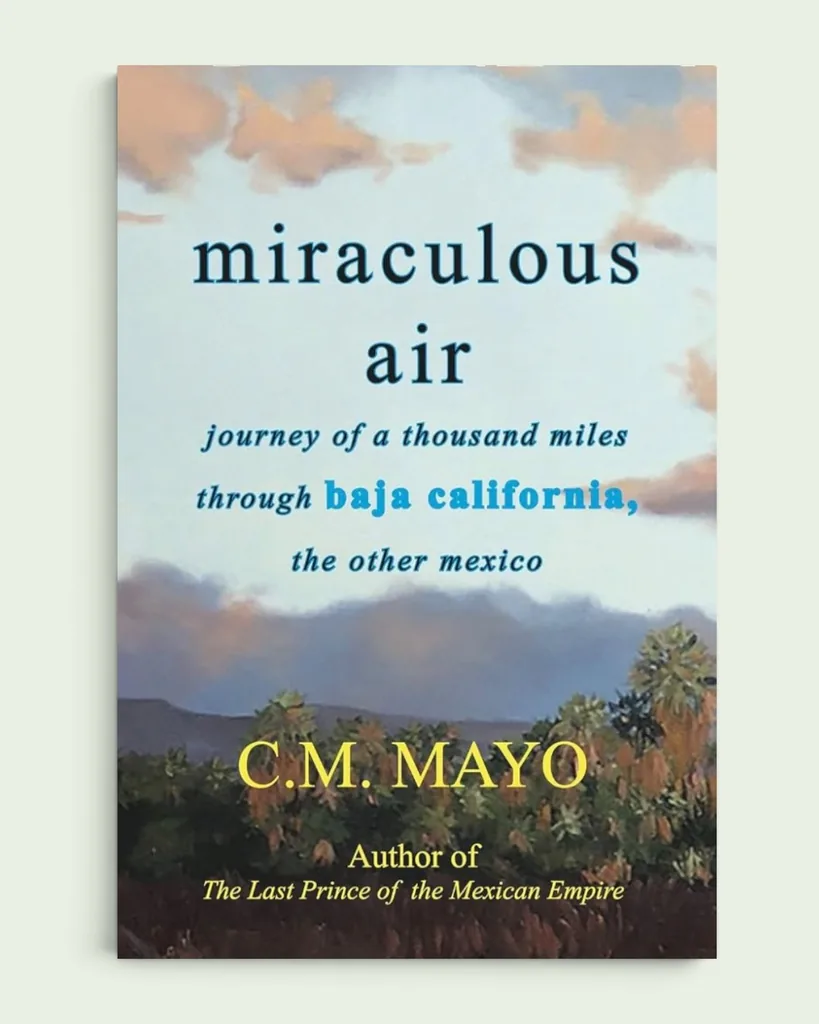
C.M. Mayo travels the length of Baja searching for a deeper understanding of a place often reduced to beaches, resorts, and empty desert. Along the way, she encounters fishing villages, historic missions, cave paintings, artists, politicians, ranchers, expatriates, and stories of conquest and exploitation. Intimate and richly layered, the book combines travel narrative with cultural and environmental history to reveal how much lies beyond the highway.
04
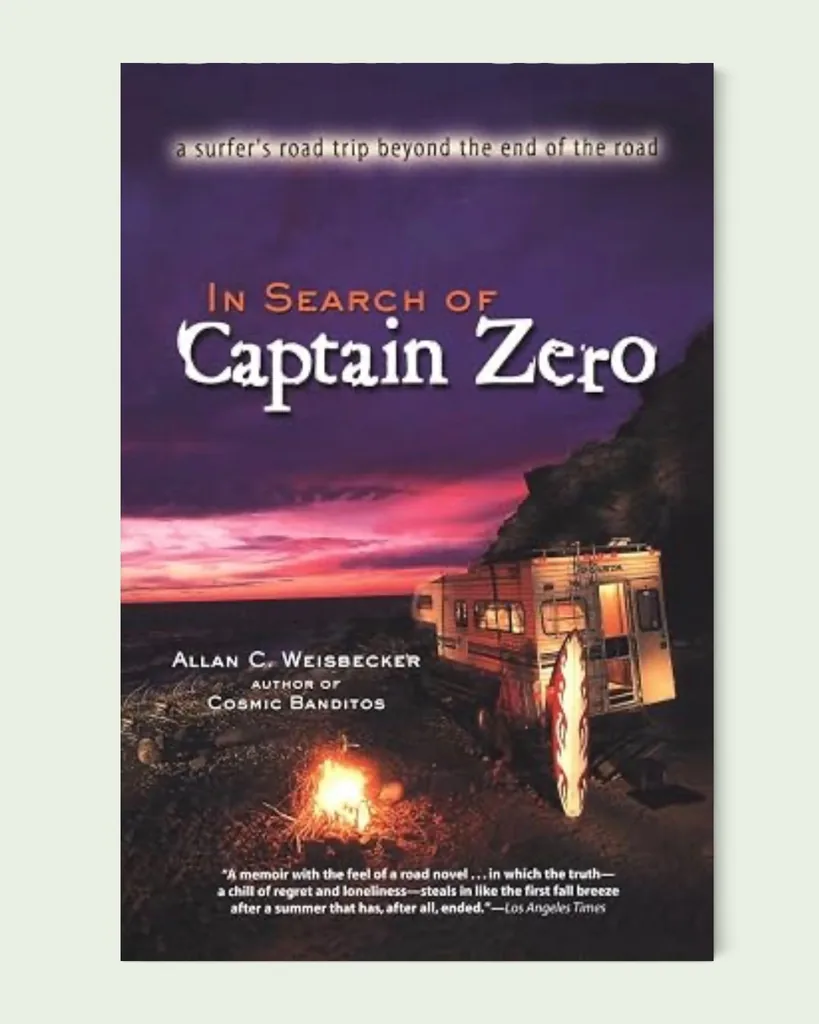
With his dog, surfboards, and memories of an old friend, Allan Weisbecker leaves Long Island and begins driving south through Mexico toward Central America. His search leads along remote coastlines, unreliable roads, and beaches where the promise of the perfect wave competes with the uncertainty of what lies ahead. Although the journey extends beyond Baja California, its restless road-trip spirit makes it a natural companion for anyone drawn to the peninsula’s surf breaks, empty horizons, and persistent sense that another world begins at the end of the pavement.
05
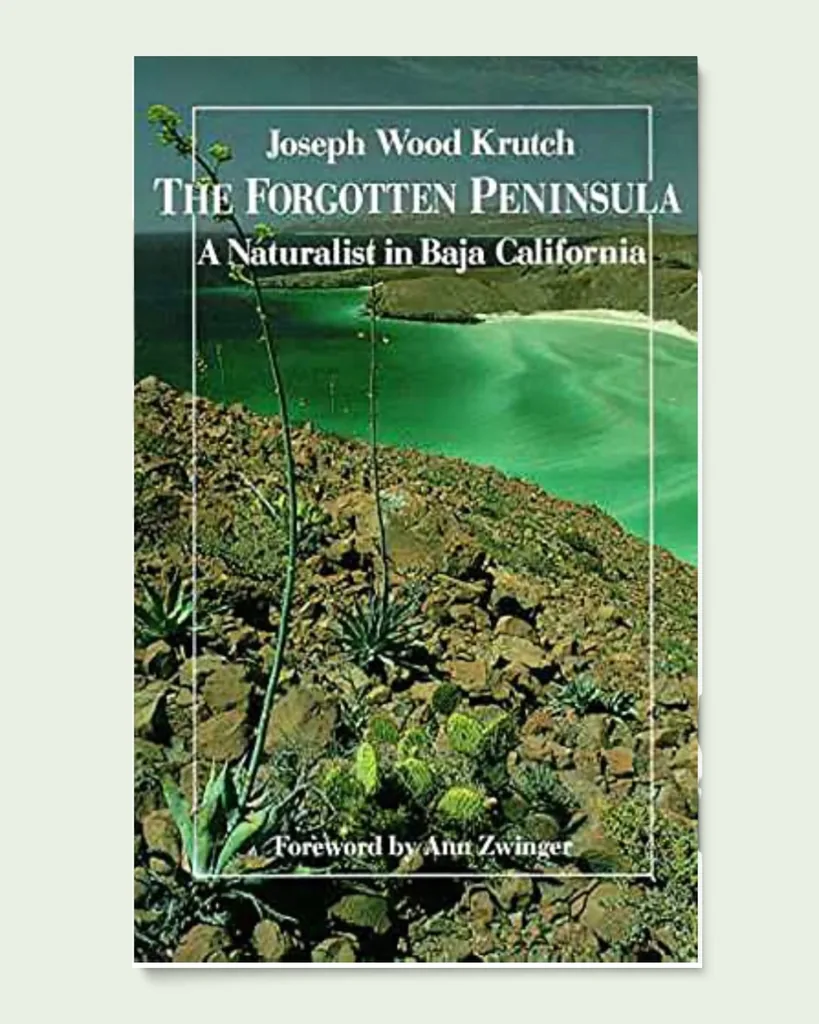
by Joseph Wood Krutch
The desert can appear barren when viewed from a moving car, but naturalist Joseph Wood Krutch finds a landscape crowded with adaptation, resilience, and unexpected beauty. His observations of plants, animals, geology, and solitude encourage readers to slow down and pay attention to the peninsula’s quieter forms of life. Although the book reflects the period in which it was written, its attentive approach to nature remains a rewarding introduction to Baja’s desert ecology.
06
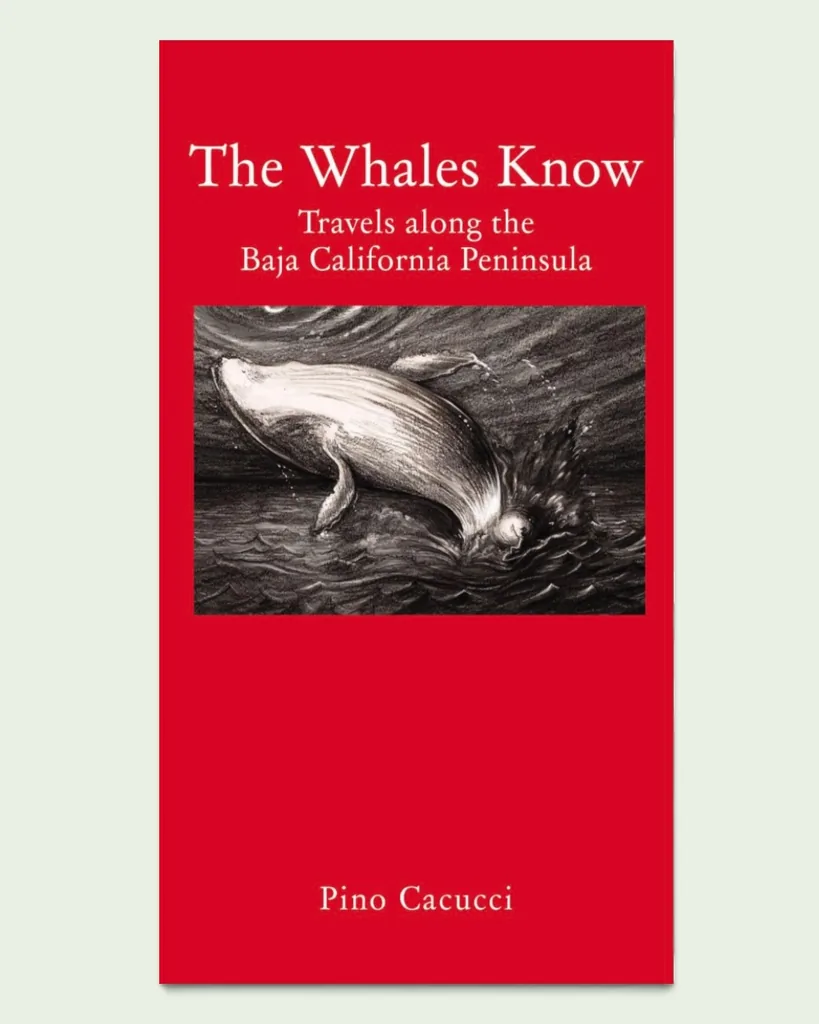
Italian writer Pino Cacucci travels more than two thousand kilometers through Baja, gathering stories about its landscapes, wildlife, travelers, and history. The emotional center of his journey is the peninsula’s gray whales, whose migrations lead them to protected lagoons along the Pacific coast. Part travelogue and part homage to the natural world, the book captures the humility that can arise when a wild animal chooses to approach on its own terms.
07
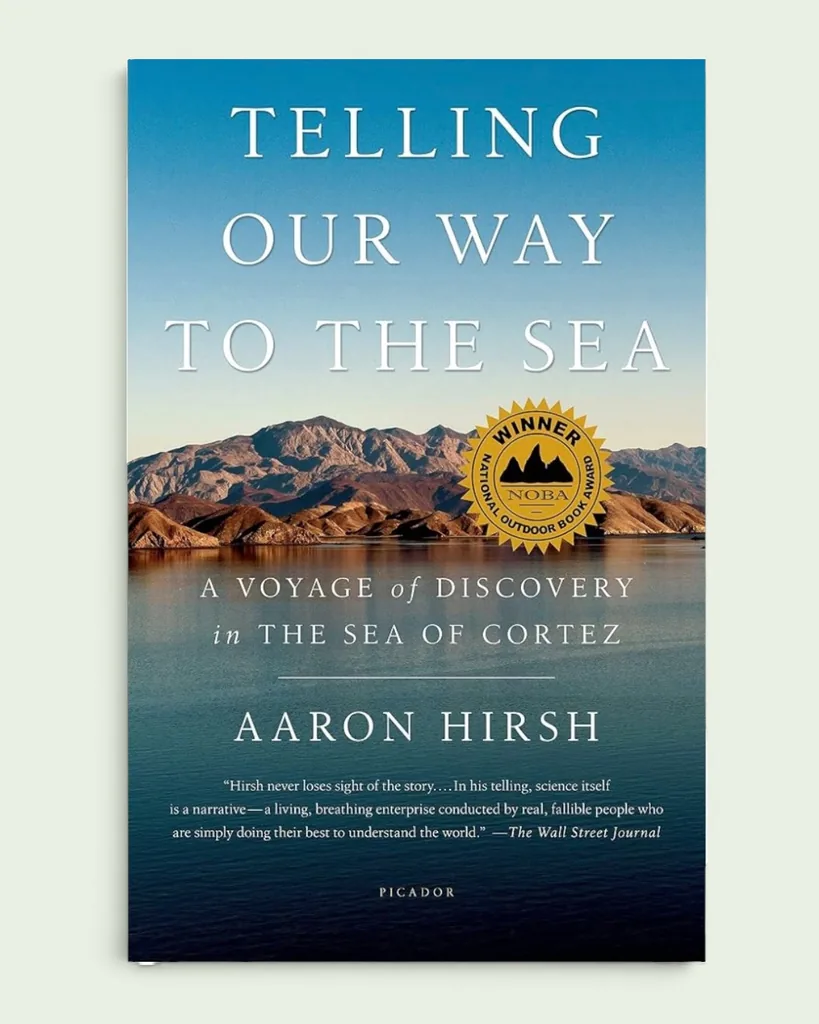
Biologist Aaron Hirsh accompanies a group of students into the Sea of Cortez, using their journey to explore evolution, marine biology, geography, fishing, tourism, and environmental change. Scientific ideas emerge through conversations and firsthand encounters rather than remaining confined to the laboratory. Thoughtful and accessible, the book reveals not only why the gulf is biologically extraordinary but also why its ecosystems are increasingly vulnerable.
08
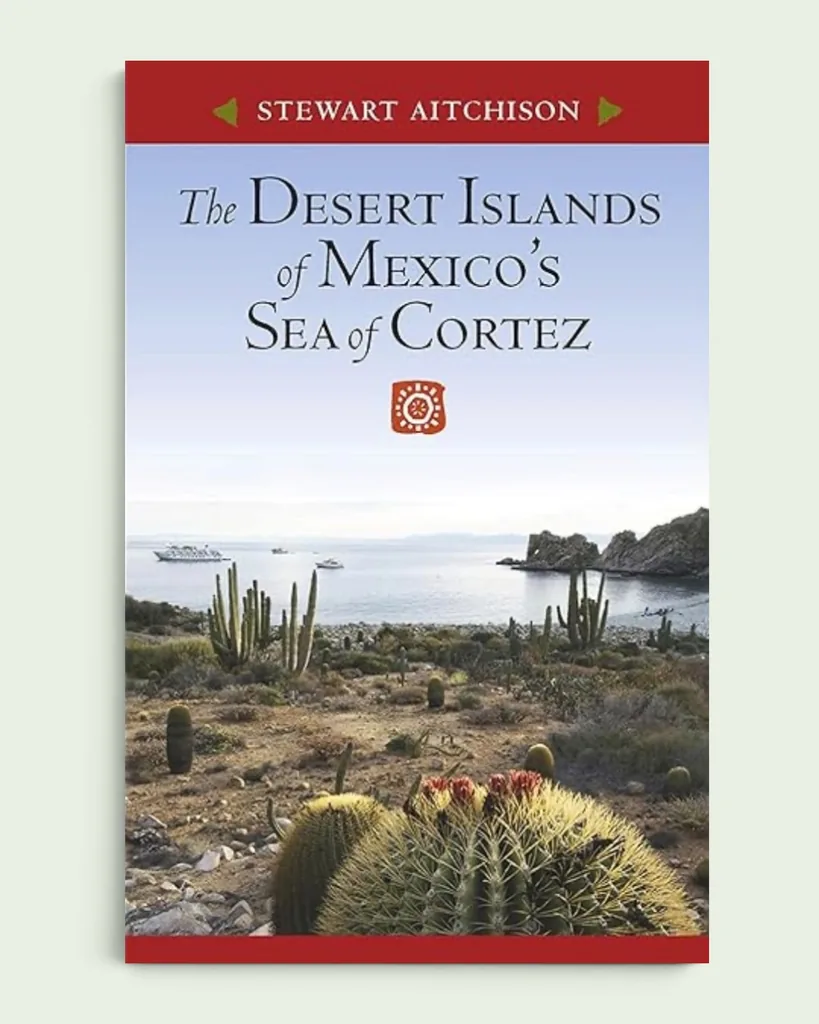
The islands scattered through the Sea of Cortez form worlds of their own. Naturalist Stewart Aitchison explores how isolation, geology, climate, and scarce freshwater have shaped their unusual plants and animals. Photographs and natural-history observations introduce colonies of seabirds and sea lions alongside reptiles, cacti, and species found nowhere else. This is an especially rewarding companion for travelers exploring the gulf by small ship, kayak, or panga.
09
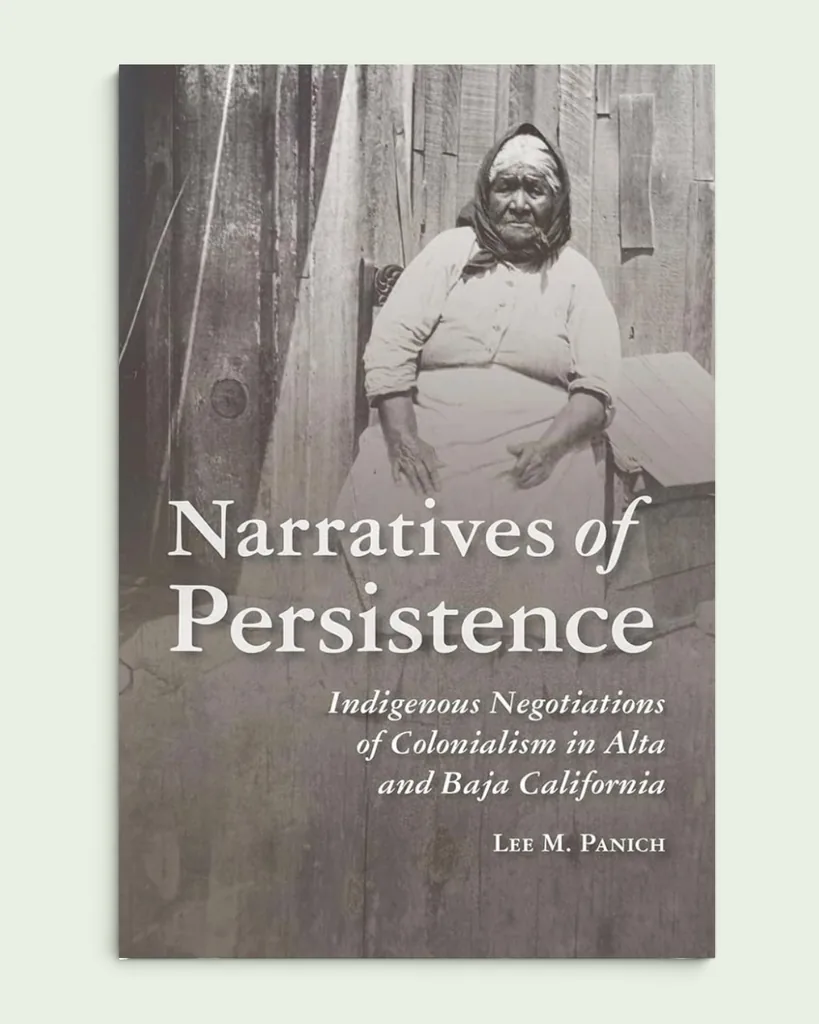
Rather than presenting Spanish colonization as the disappearance of Native California, archaeologist Lee M. Panich examines how Indigenous communities endured, adapted, and sustained their identities. Focusing on the Paipai of northern Baja California and the Ohlone of the San Francisco Bay Area, he traces five centuries of encounters with missions, colonial authorities, and settler governments. Based on fifteen years of archaeological and historical research, the book offers an important framework for understanding Indigenous Californians as living communities whose histories continue beyond the mission period.
10
Crosby returns to Baja’s remote mountains to document ranching communities descended from settlers associated with the peninsula’s mission era. Through family histories, photographs, and accounts of daily life, he records a culture shaped by isolation, horsemanship, hospitality, and the difficult work of living in an arid landscape. The book preserves a way of life that was already changing when Crosby encountered it and adds an important human dimension to journeys through the central peninsula.
11
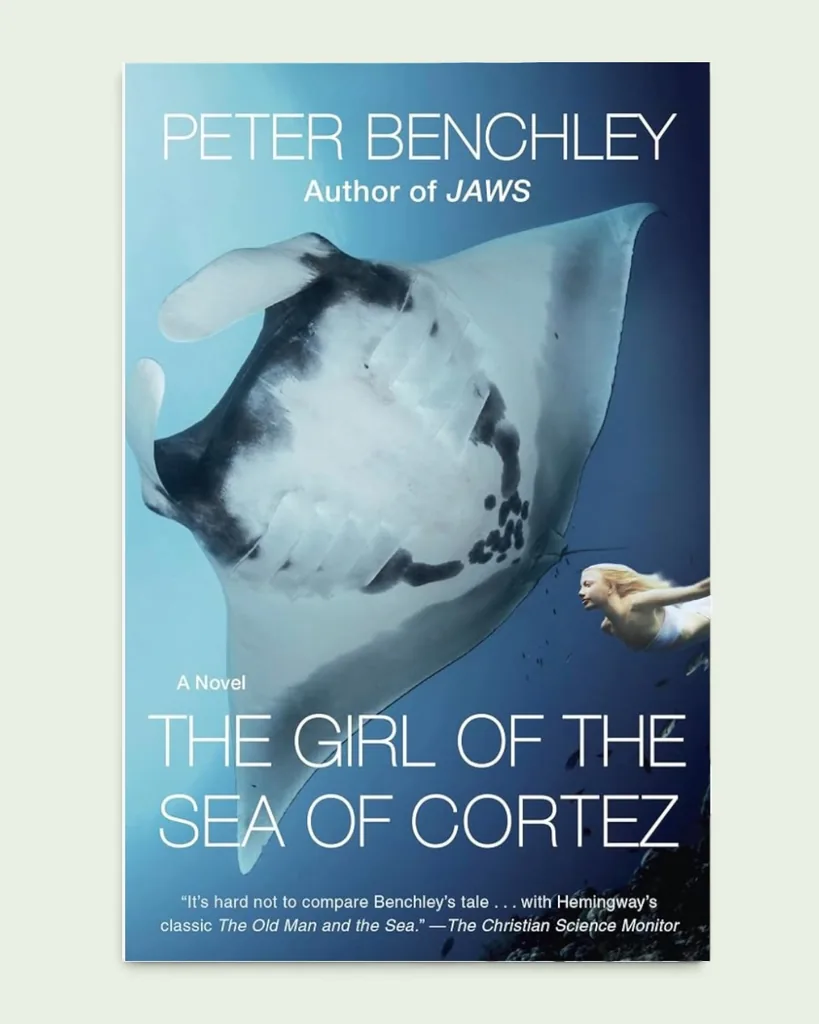
On an island in the Sea of Cortez, a young woman named Paloma develops an intimate understanding of the marine world around her. Her belief that the sea should be protected brings her into conflict with people who view it primarily as something to exploit. Filled with underwater beauty, danger, and adventure, the novel offers a conservation-minded counterpart to Benchley’s more famous Jaws. It is also one of the few works of fiction centered directly on the gulf.
12
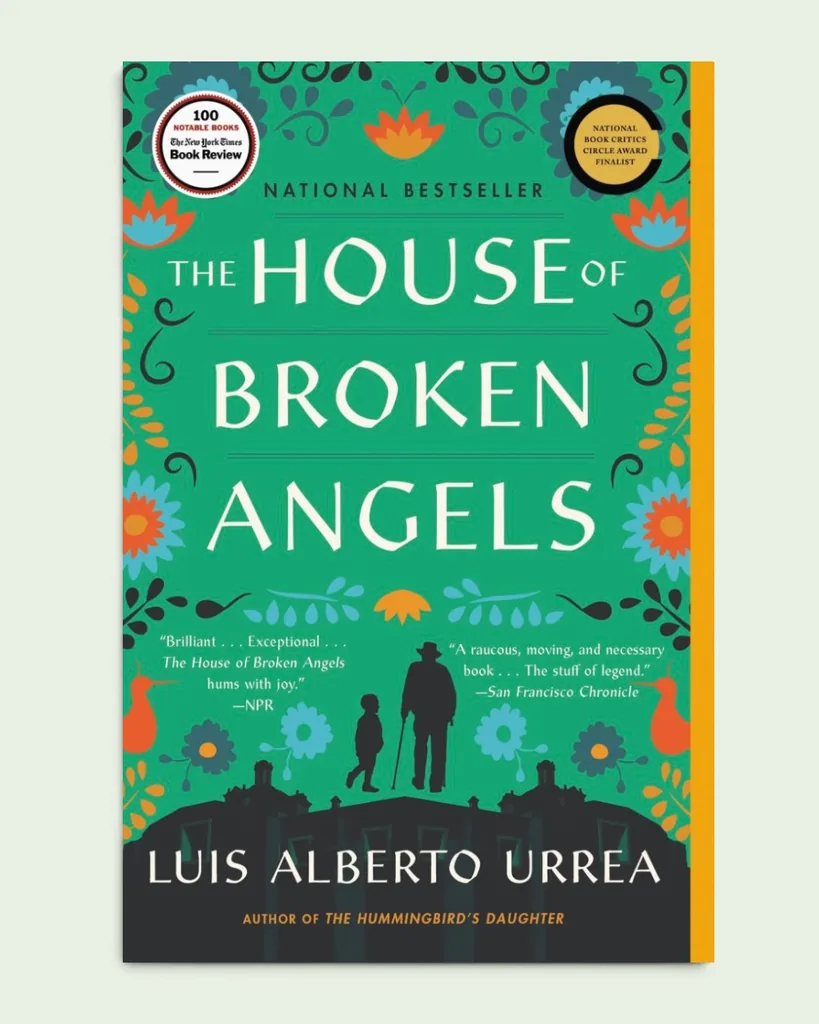
Over one bittersweet weekend in San Diego, the sprawling De La Cruz family gathers to bury its matriarch and celebrate the final birthday of its dying patriarch, Big Angel. Memories carry the story across the border and back through the family’s life in Mexico, including Big Angel’s journey from La Paz to California. Exuberant, humorous, and deeply moving, the novel explores migration, cultural identity, family mythology, and the meaning of belonging on both sides of the border. Its connections to La Paz, Tijuana, and San Diego make it an especially fitting literary companion for a journey through the Baja California borderlands.
13
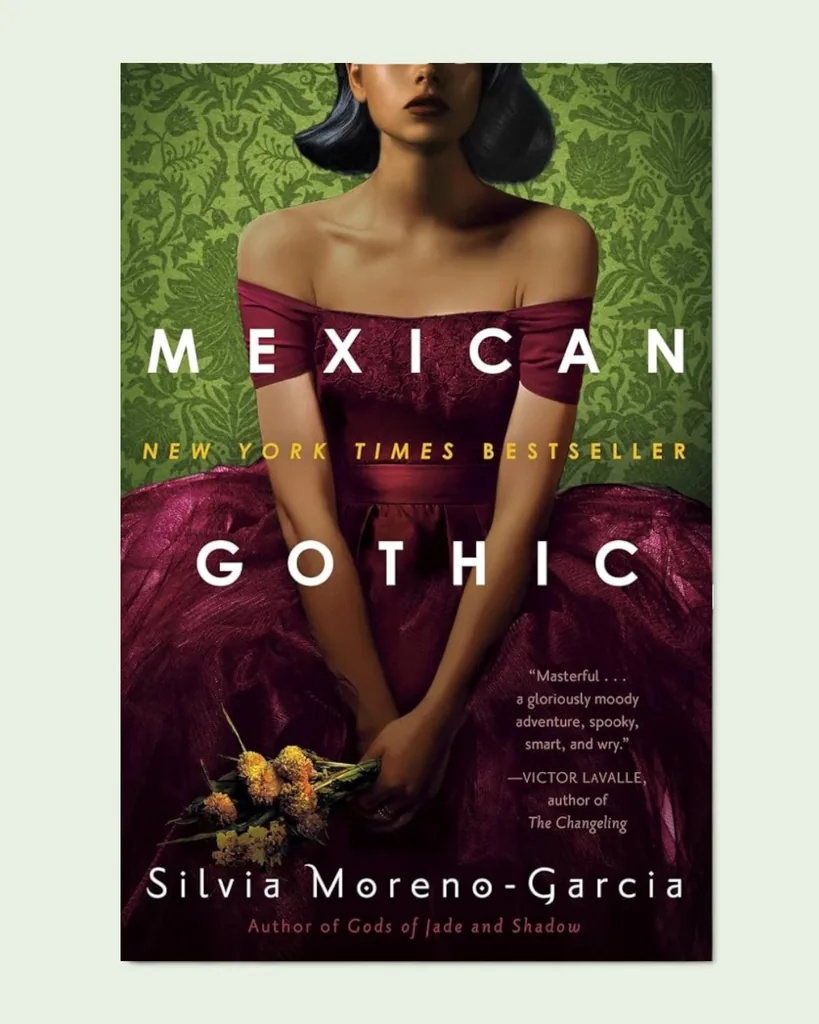
For a dark and atmospheric escape, travel to an isolated mansion in the mountains of 1950s Mexico. When glamorous Noemí Taboada receives a disturbing letter from her newly married cousin, she enters a household filled with secrets, strange dreams, and a family determined to protect its legacy. Although set far from Baja California, this gothic novel adds another dimension to the reading list through its exploration of colonialism, race, exploitation, and the dangers concealed beneath beautiful surroundings.
14
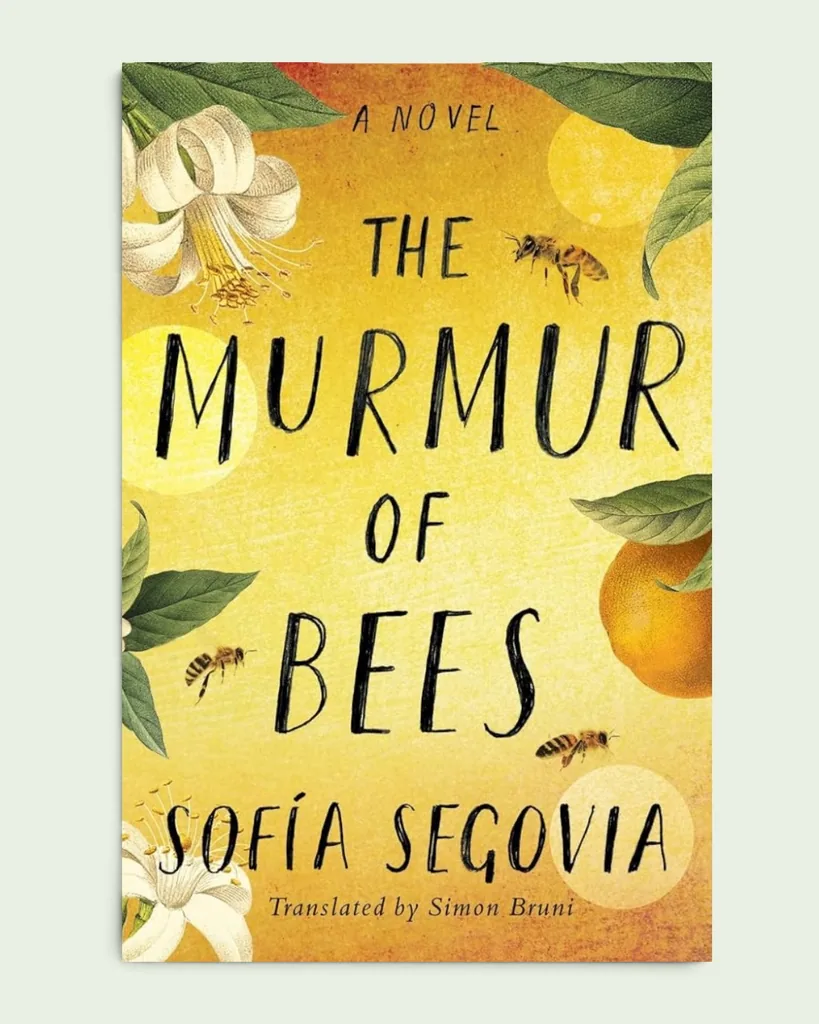
In northern Mexico, an abandoned infant is discovered beneath a bridge, surrounded by a living cloud of bees. Adopted by the Morales family, Simonopio grows into a mysterious child whose visions seem to reveal both beauty and approaching danger. Set against the Mexican Revolution, struggles over land, and the influenza pandemic of 1918, this sweeping family saga blends history and folklore into a tender story of loyalty, loss, and the forces that bind people to place.
15

In a family ruled by tradition, Tita is forbidden to marry because she is expected to care for her mother. Her emotions instead find their way into the food she prepares, affecting everyone who gathers around the table. Recipes, desire, family conflict, and revolution mingle in a novel where cooking becomes both language and rebellion. While its setting lies beyond Baja, the story opens a window into Mexican foodways, family traditions, and the magical possibilities of everyday life.
16
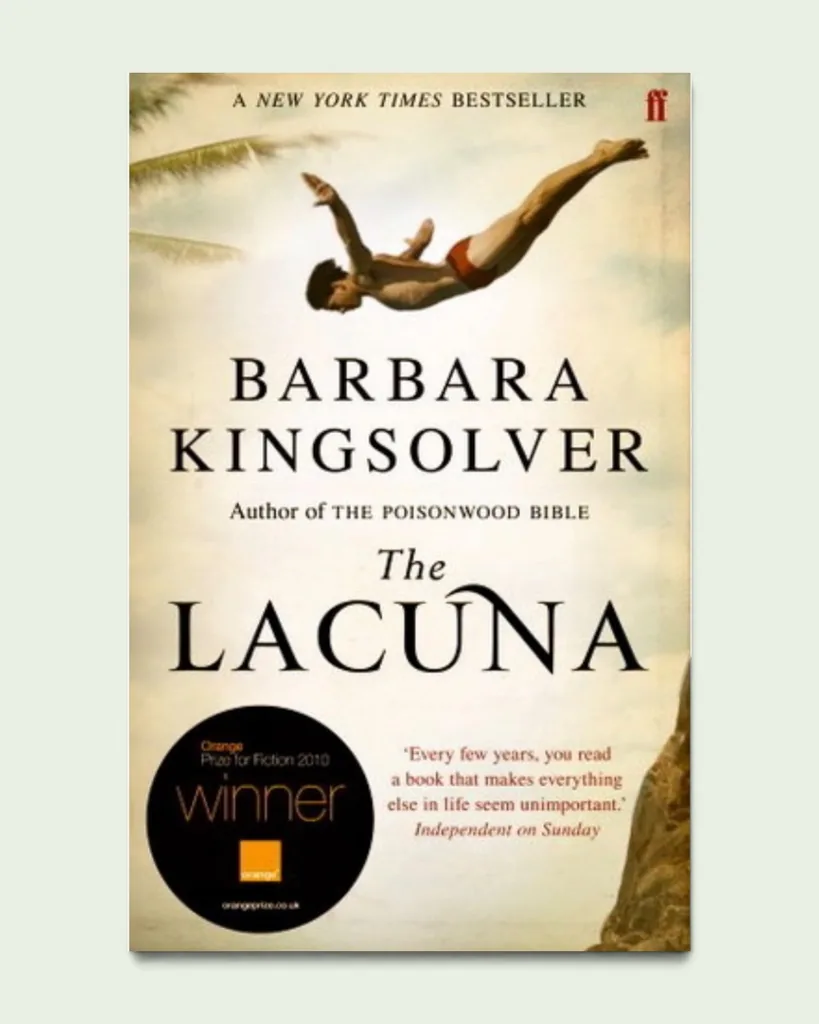
Harrison Shepherd grows up between the United States and Mexico, eventually finding work in the lively household of artists Diego Rivera and Frida Kahlo. There he becomes entangled in art, politics, and the final years of exiled revolutionary Leon Trotsky. Told through diaries, letters, and newspaper clippings, the novel explores how private lives become public stories—and how easily fear and political power can distort the truth. Its movement between two countries also echoes Baja California’s own position within a closely connected border region.
What I remember most about traveling through the Baja California Peninsula is the constant conversation between emptiness and abundance. The desert can stretch toward the horizon with barely a building in sight, while the water beside it holds whales, sea lions, rays, dolphins, and entire communities of life beneath the surface.
Some of these books follow travelers who test themselves against Baja’s distances. Others reveal the Indigenous histories and fragile ecosystems concealed behind the idea of an empty frontier. The novels widen the view further, connecting the peninsula to Mexico’s revolutionary history, food traditions, artistic movements, folklore, and imaginative life.
Choose one Baja book and one broader Mexican novel to read before your journey. Carry another down the peninsula and return to the rest when you are home. Together, they may help you understand why Baja lingers in the imagination, not as a place detached from Mexico, but as one of the country’s most distinctive landscapes.
ONE PAGE AT A TIME
THOUGHTFULLY RESEARCHED
Written by Jacqueline Miller, founder of Adventurous Ambles. Through firsthand travel, original photography, and detailed route research, Jacqueline creates walking guides, hiking resources, destination reading lists, and travel inspiration for curious travelers. Unless otherwise noted, all content and photography on Adventurous Ambles are original works protected by copyright.
KEEP WANDERING
More Adventurous Ambles in Baja California
DESTINATION GUIDE