MOUNTAINS MEET THE SEA
Vancouver,
Canada
Navigate waterfront paths, diverse neighborhoods, and outdoor escapes
in this spectacular Pacific city.
VANCOUVER TRAVEL GUIDE
The Vancouver
Guide I Wish
I had Sooner
Vancouver: A Brief History
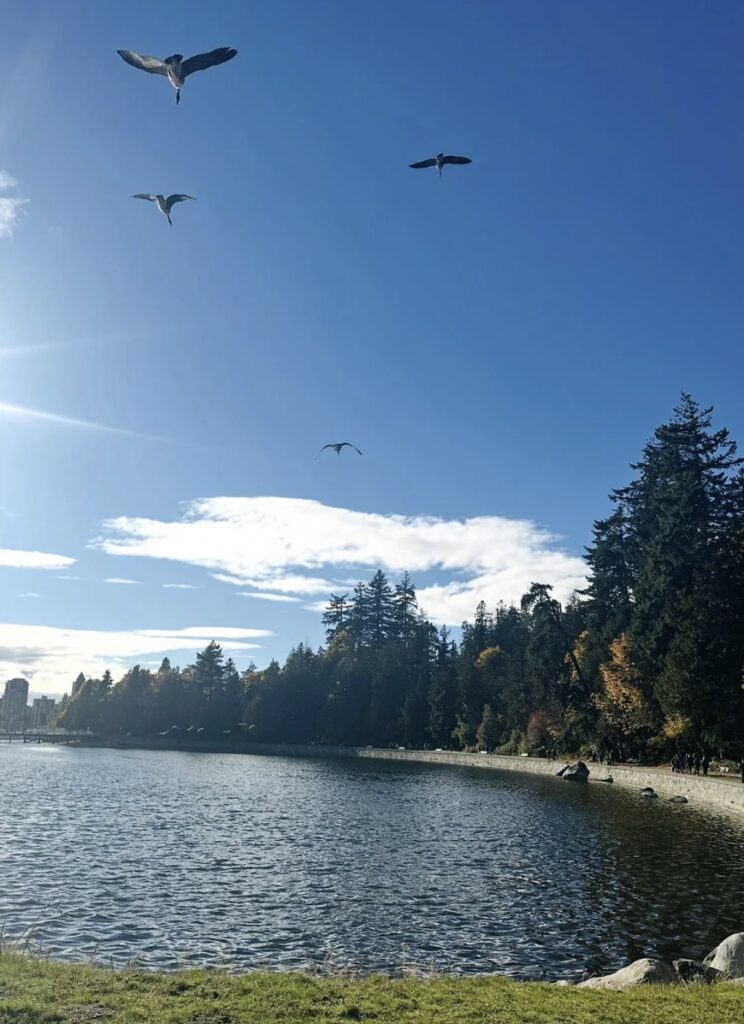
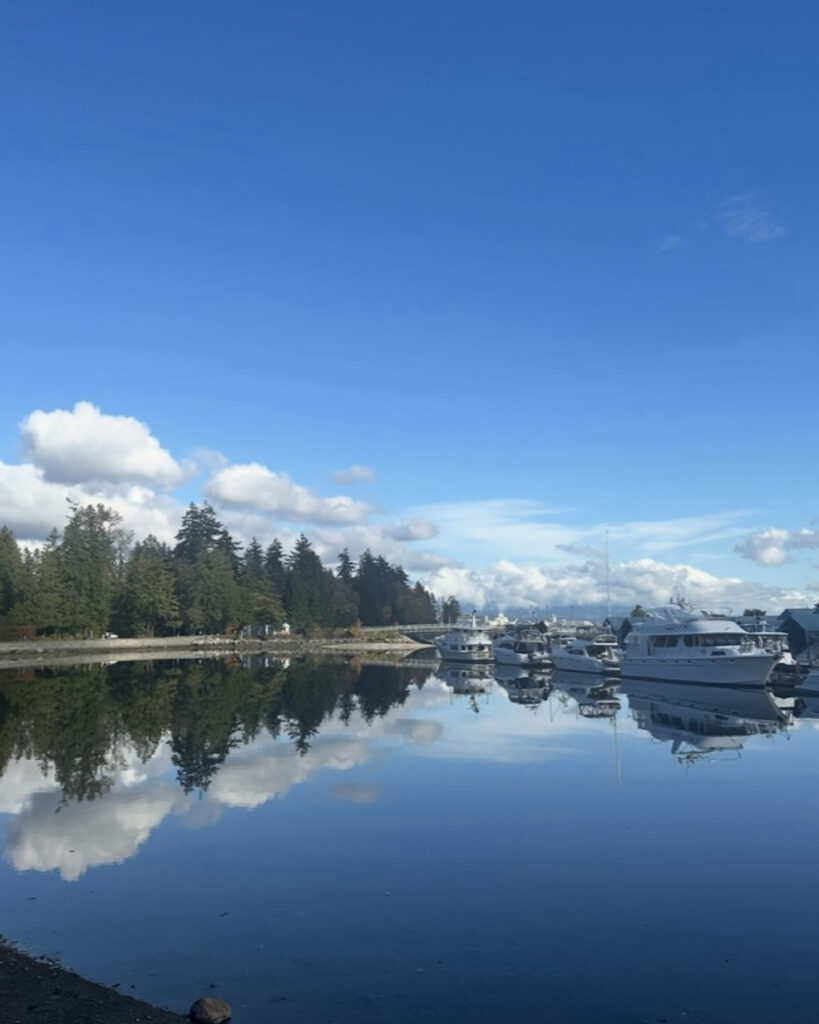
There’s something about Vancouver that feels almost too beautiful to be real. Maybe it’s the mountains rising behind the skyline, the ocean wrapping around the city, or the towering evergreen trees that seem to appear around every corner. It might be the sailboats drifting across English Bay, the colorful markets of Granville Island, or the way fresh sushi somehow tastes even better when you’re eating it beside the water.
Vancouver is one of those cities that feels made for exploring on foot. You can spend the morning walking beneath ancient trees in Stanley Park, follow the seawall past beaches and mountain views, and end the day watching the sun disappear over the Pacific. Here, nature never feels far away, even in the heart of the city.
Vancouver’s story began long before its glass towers and busy harbor. The Musqueam, Squamish, and Tsleil-Waututh Nations have lived on and cared for these lands and waters for thousands of years. Their cultures, traditions, and deep connection to the region remain an important part of Vancouver’s identity today.
European settlement expanded during the 19th century, and the city grew rapidly after the Canadian Pacific Railway reached Vancouver in 1887. Its location on the Pacific helped transform it into a major port and brought new communities from around the world.
Today, Vancouver feels like a beautiful blend of city life and outdoor adventure. It is multicultural, creative, and surrounded by extraordinary scenery. It’s the kind of place where you can wander through lively neighborhoods one moment and find yourself on a forest trail or quiet beach the next.
What to Know
Before You Go
01 | ARRIVAL
Visas & Entry
Getting into Canada is usually straightforward, but requirements depend on your citizenship and how you arrive.
U.S. citizens typically need a valid passport and do not need a visitor visa or Electronic Travel Authorization. Many other international visitors flying to Canada require an eTA, while some nationalities need a visitor visa. Most tourists can stay for up to six months.
Check the latest entry requirements before booking, particularly if your trip includes an Alaska cruise or travel across the U.S. Canada border.
02 | WHEN TO GO
Best Time to
Visit
Crisp walking weather, changing leaves, and quieter neighborhood strolls.
03 | IN YOUR BAG
What to Pack
✓ Lightweight waterproof jacket
✓ Comfortable walking shoes
✓ Sweater, fleece, or light layers
✓ Reusable water bottle
✓ Small daypack
✓ Portable phone charger
✓ Sunglasses and sunscreen
✓ Compact umbrella, if preferred
✓ Hiking shoes for outdoor trails
✓ Warm hat and gloves in winter
✓ Swimsuit for summer beach days
✓ Reusable bag for market finds
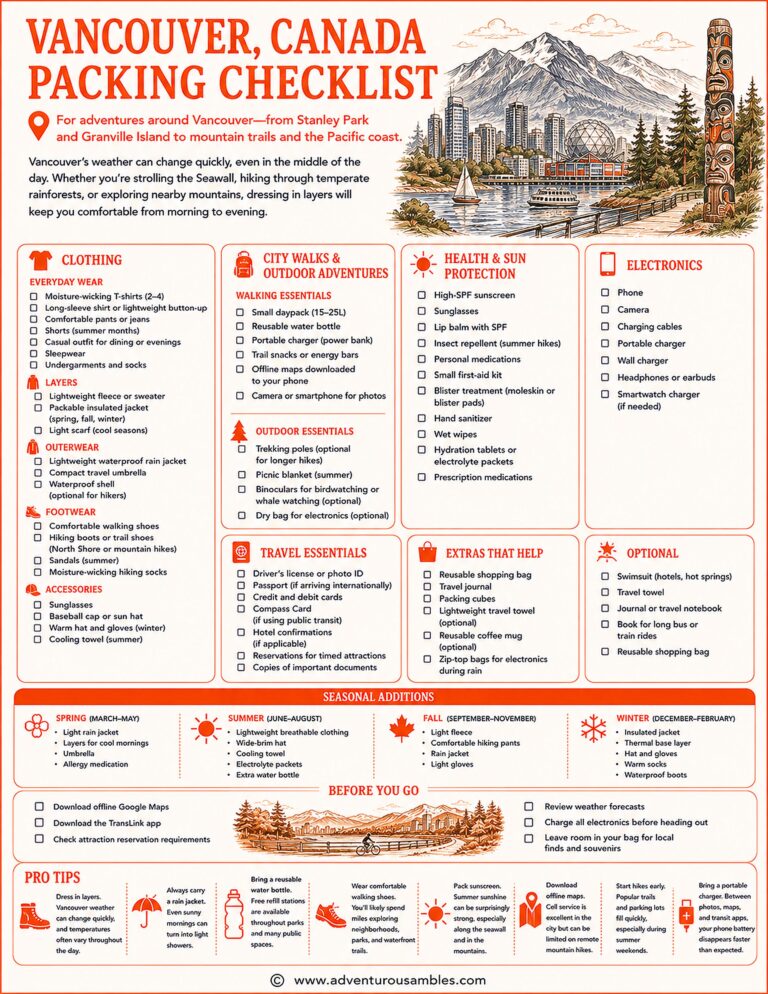
Planning a trip to Vancouver? This printable Vancouver, Canada Packing Checklist covers everything you’ll need for city walks, coastal weather, mountain adventures, and seasonal conditions. Download, print, and pack confidently for your Pacific Northwest getaway!
04 | BUDGET
Average Costs
Compare travel & stays
05 | ON THE MOVE
Getting
around
Vancouver
06 | THE BEST WAY
On foot
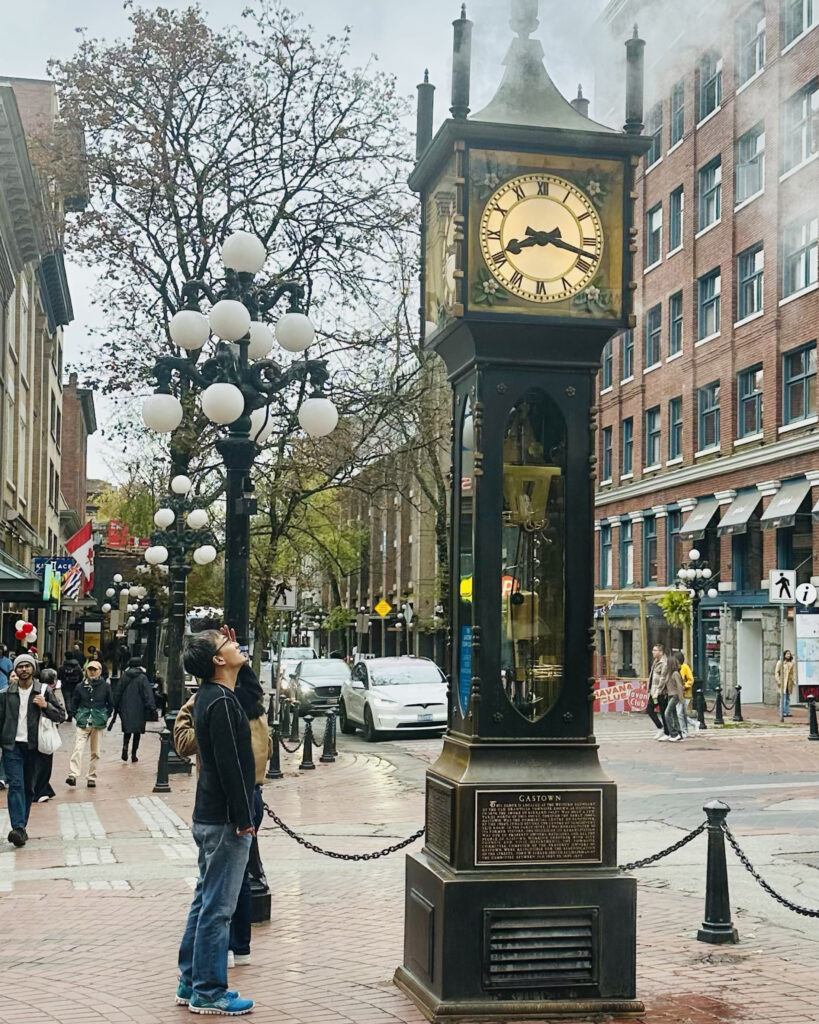
Follow the Stanley Park Seawall beneath towering evergreens. Wander through Gastown and listen for the steam clock. Browse Granville Island’s market stalls, independent shops, and waterfront cafés. Cross False Creek by tiny ferry, then keep walking until the city gives way to beaches, forest, or another mountain view.
In Vancouver, some of the best discoveries happen between the places you meant to visit.
USEFUL LINKS
Walks, trails &
destinations
07 | QUICK BASICS
Currency, language & time zone
CURRENCY
LANGUAGE
TIME ZONE
Pacific Time. The same time zone as Seattle, Portland, and San Francisco: PST or PDT, depending on the season.
Local essentials
08 | GOOD TO KNOW
Frequently Asked Questions
What is the best time of year to visit Vancouver?
May through September is generally the best time to visit Vancouver for warmer weather, longer daylight hours, and outdoor activities. Spring and fall bring fewer crowds, lower accommodation prices, and beautiful seasonal scenery, but you should expect some rain. Winter is ideal for travelers who want to combine sightseeing with skiing or snowboarding on the nearby mountains.
What are the must-see attractions in Vancouver?
First-time visitors should explore Stanley Park and its famous Seawall, Granville Island Public Market, Gastown, Canada Place, and the downtown waterfront. Other popular experiences include visiting Capilano Suspension Bridge Park, relaxing at one of the city’s beaches, and taking a walking tour to learn more about Vancouver’s history and neighborhoods.
Do you need a car when visiting Vancouver?
You do not need a car to explore most of Vancouver. Downtown and the surrounding neighborhoods are easy to navigate on foot, while the SkyTrain, SeaBus, and public buses connect many of the city’s most popular areas. A rental car may be useful if you plan to visit Whistler, explore areas beyond the city, or follow an itinerary with several remote stops.
Where is the best area to stay in Vancouver?
Downtown is the most convenient area for first-time visitors because it is close to the waterfront, Stanley Park, Gastown, and public transportation. The West End is a good choice for beaches and access to the Seawall, while Yaletown offers restaurants and a lively waterfront atmosphere. Kitsilano is quieter and works well for travelers who prefer a neighborhood setting near the beach.
Does it rain a lot in Vancouver?
Vancouver receives frequent rain, particularly from late fall through early spring. Rain is usually less common during July and August, although the weather can change quickly at any time of year. Pack a waterproof jacket, comfortable water-resistant shoes, and clothing that can be layered.
Walk beneath the evergreens in Stanley Park. Follow the seawall a little farther than planned. Browse a bookstore on Granville Island, linger over coffee beside the water, and watch the mountains catch the last light of the day.
Vancouver has a way of making the space between destinations feel like the adventure itself.
Emily St. John Mandel, The Glass Hotel
THOUGHTFULLY RESEARCHED
Written by Jacqueline Miller, founder of Adventurous Ambles. Through firsthand travel, original photography, and detailed route research, Jacqueline creates walking guides, hiking resources, destination reading lists, and travel inspiration for curious travelers. Unless otherwise noted, all content and photography on Adventurous Ambles are original works protected by copyright.
KEEP WANDERING
More Adventurous Ambles in Vancouver
READING LIST
HIKING GUIDE
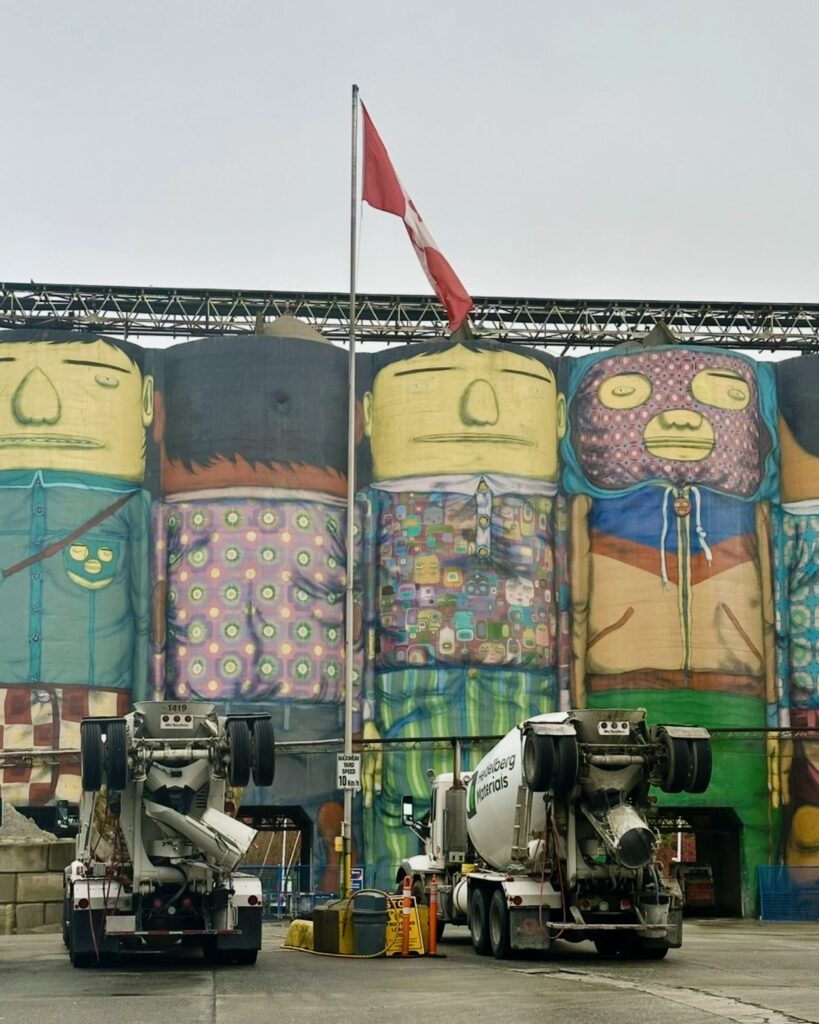
CITY WALK
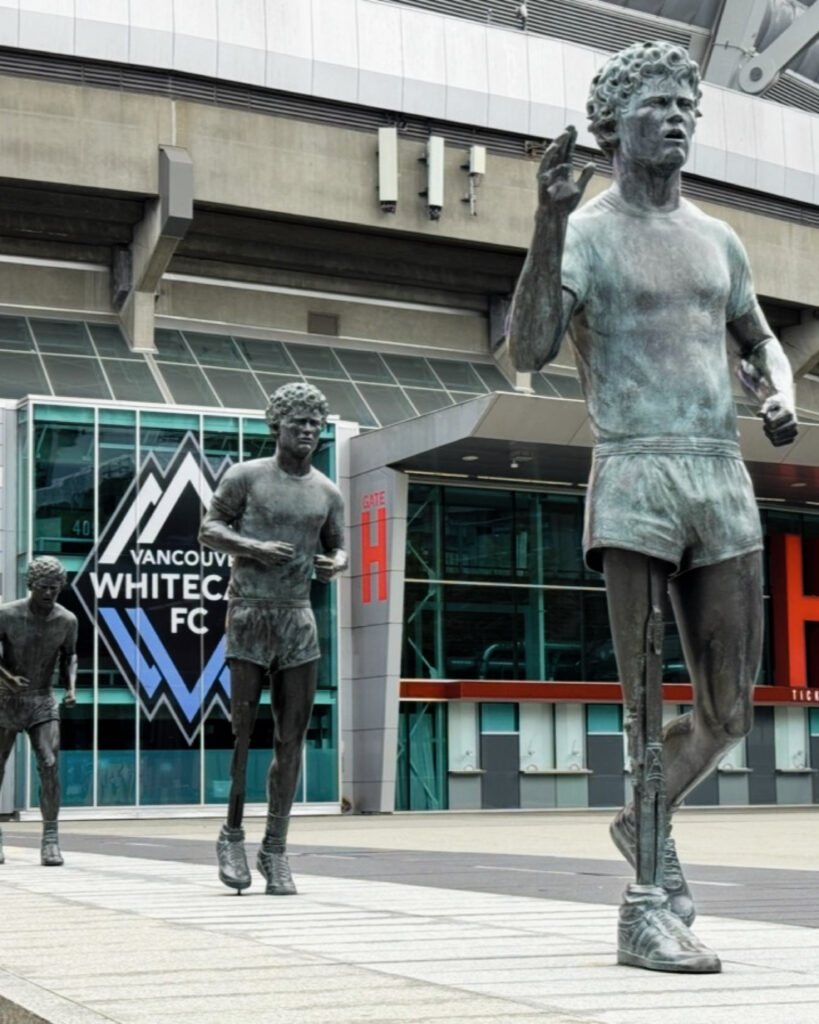
FREE WALKING TOUR
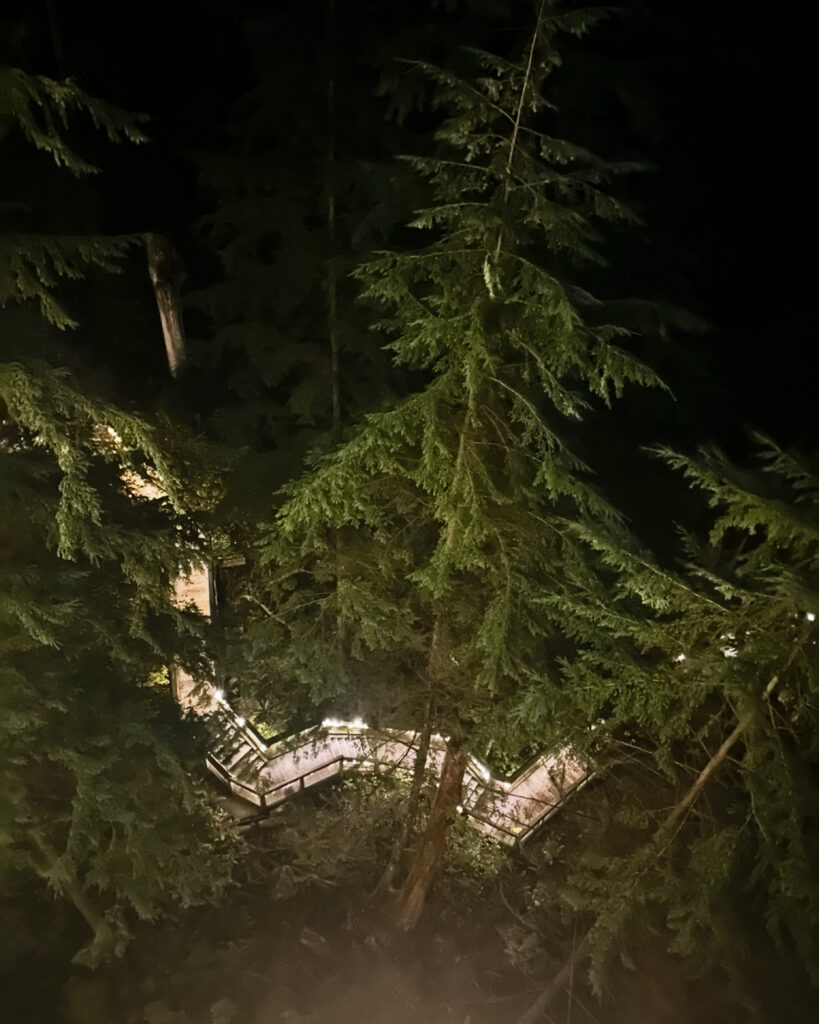
HIKING GUIDE