NEIGHBORHOODS, NATURE & NORTHWEST CHARACTER
Portland,
Oregon
Discover walkable neighborhoods, creative local culture, green spaces,
and memorable corners of the Rose City.
PORTLAND TRAVEL GUIDE
Your
Practical Guide
to Exploring
Portland
A Brief History of Portland
Portland is the kind of city that invites you to wander.
One minute you’re walking beneath old trees in a quiet neighborhood, and the next you’re browsing the shelves of an independent bookstore, ordering lunch from a food cart, or following a path beside the Willamette River. Forested hills frame the skyline, bridges stitch the city together, and on a clear day, Mount Hood appears in the distance like it has been waiting for you to notice.
Long before Portland became a city, the land around the Willamette and Columbia rivers was home to Indigenous peoples, including Multnomah, Clackamas, Chinook and other communities who fished, traded and gathered along these waterways for thousands of years.
American settlers established a townsite on the west bank of the Willamette River in the 1840s. According to the city’s most famous origin story, Portland received its name after Asa Lovejoy of Boston and Francis Pettygrove of Portland, Maine, settled the matter with a coin toss. Pettygrove won, and Portland was incorporated in 1851.
Its position near two major rivers helped the city grow into an important port and timber center. Railroads, shipyards and industry followed, along with waves of immigrants and workers who helped shape its neighborhoods. That growth also came with displacement, discriminatory laws and exclusionary policies whose effects remain part of Portland’s story.
Over time, Portland developed a different sort of reputation: the City of Roses, a center for environmental planning, bicycles, independent businesses, public parks, coffee, books, craft beer and wonderfully specific passions.
Today, Portland feels creative without trying too hard and outdoorsy without requiring you to leave the city. You can spend the morning hiking through a forest, the afternoon exploring galleries and gardens, and the evening eating your way through a food-cart pod.
It is a city best discovered slowly, one neighborhood or quadrant, at a time.
What to Know
Before You Go
Portland rewards travelers who slow down.
Its neighborhoods, forested hills, riverfront paths, gardens, and nearby waterfalls make it easy to balance city exploring with time outdoors. A little planning helps you enjoy every side of the Pacific Northwest.
01 | ARRIVAL
Getting to
Portland
Portland International Airport makes arriving in the Rose City pleasantly straightforward.
PDX sits northeast of downtown, with MAX Red Line trains connecting the airport to central Portland and the wider transit network. Rideshare, taxis, rental cars, and hotel shuttles are also available.
02 | WHEN TO GO
Best Time to
Visit
03 | IN YOUR BAG
What to Pack
✓ Lightweight waterproof jacket
✓ Comfortable walking shoes
✓ Sweater or removable layer
✓ Small daypack
✓ Reusable water bottle
✓ Portable phone charger
✓ Sunglasses and sunscreen
✓ Compact umbrella, if preferred
✓ Hat and gloves for winter
✓ Hiking shoes for nearby trails
✓ N95 mask during wildfire season
✓ Layers for changing weather
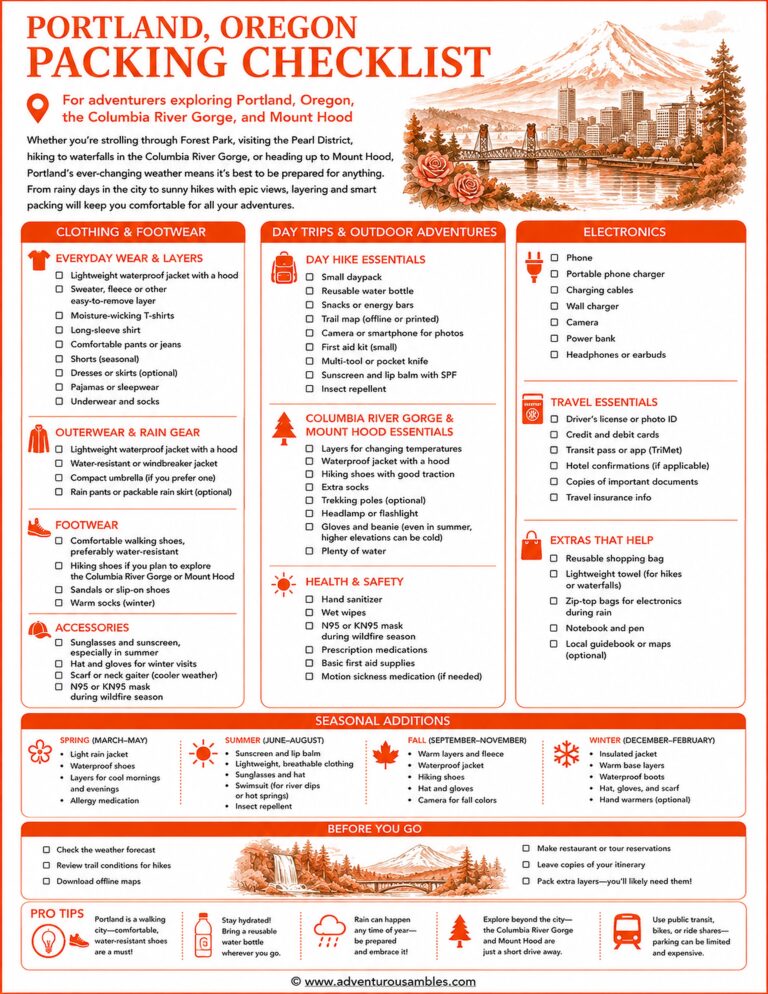
Save or print this Portland, Oregon Packing Checklist before your trip. It covers everything you’ll need for rainy neighborhood walks, sunny summer days, Forest Park trails, Columbia River Gorge waterfalls, and adventures around Mount Hood. Save it now and pack with confidence later!
04 | BUDGET
Average
Costs
Per room, per night
Check the complete booking total for taxes, resort fees and short-term-rental cleaning fees. Portland’s combined lodging tax is 13% through December 31, 2026. The lodging tax is scheduled to increase to 14.25% on January 1, 2027.
05 | ON THE MOVE
Getting
around
Portland
06 | THE BEST WAY
On foot
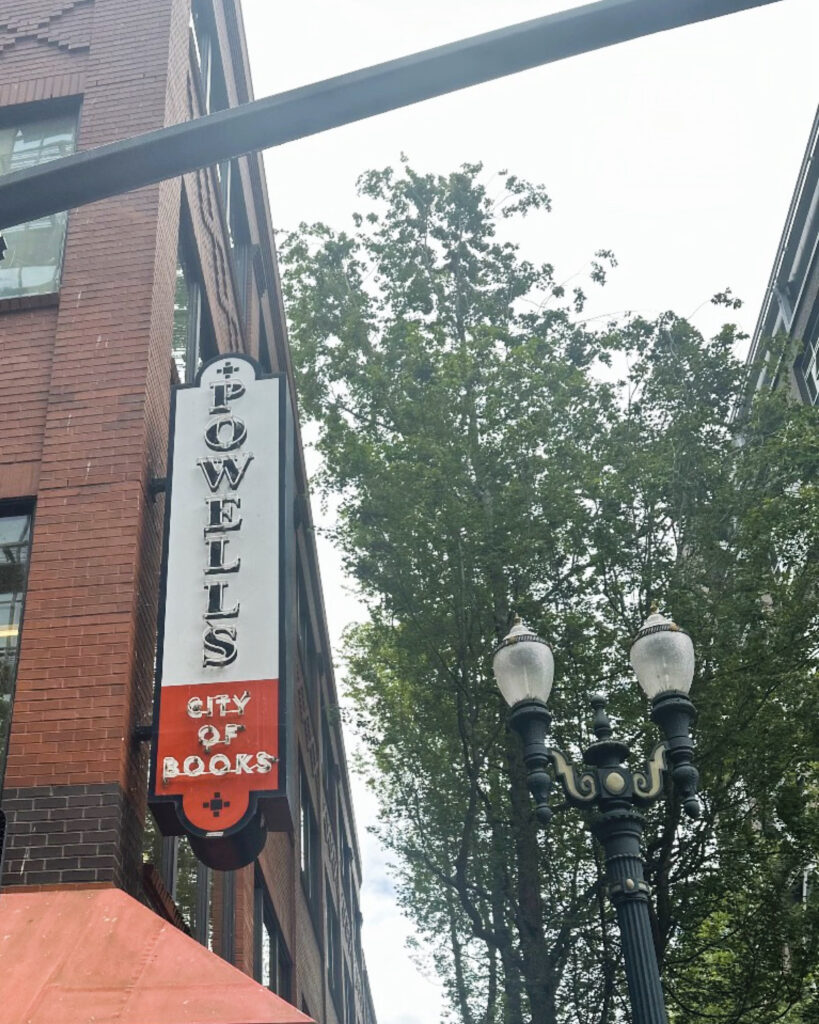
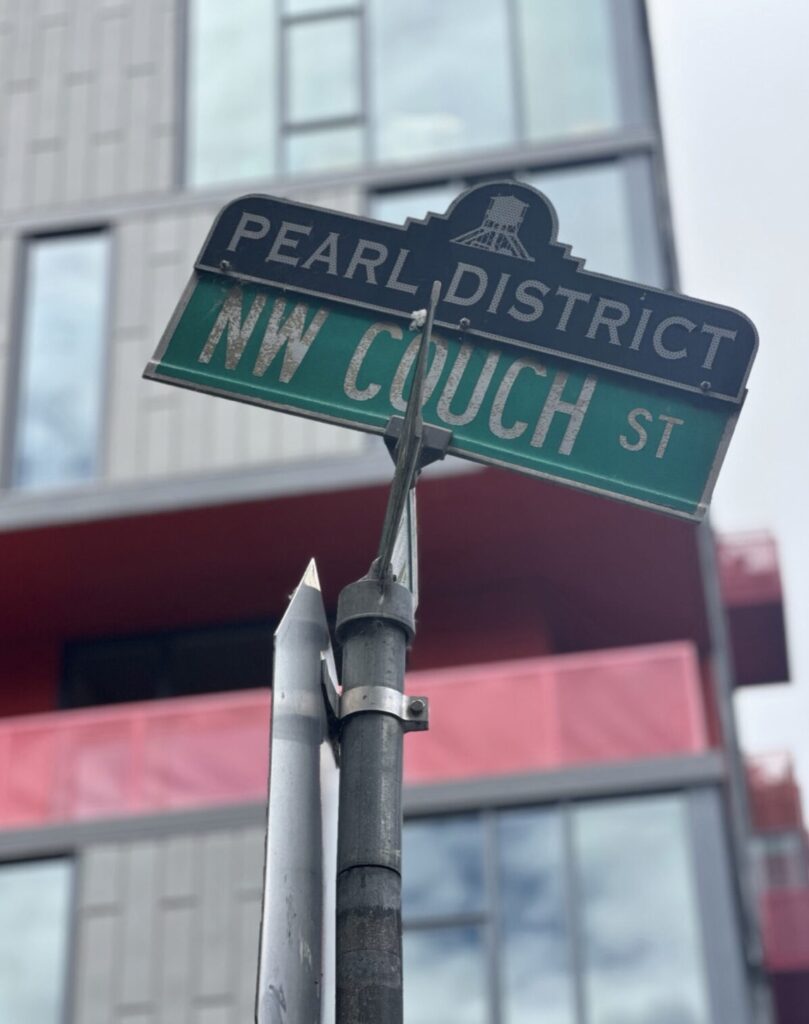
Follow the Willamette River waterfront, wander through the Pearl District, browse Powell’s City of Books, stroll the International Rose Test Garden, or disappear beneath the trees in Forest Park. Each neighborhood offers its own mix of cafés, independent shops, murals, gardens, and wonderfully unexpected detours.
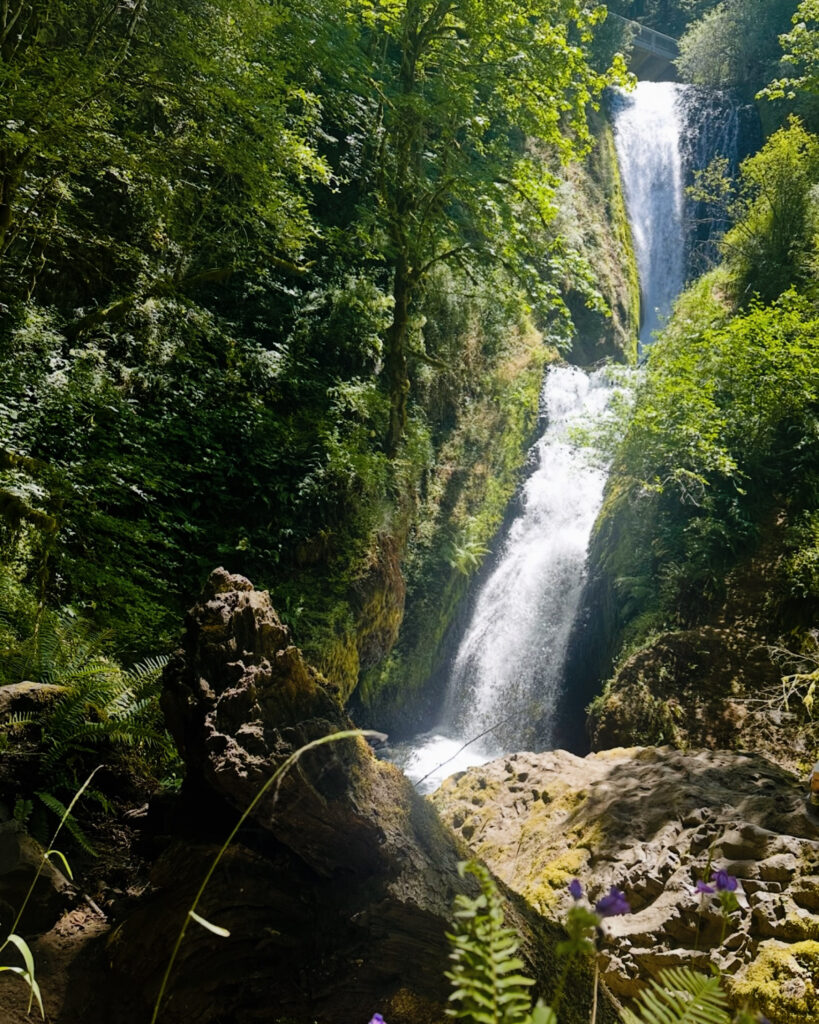
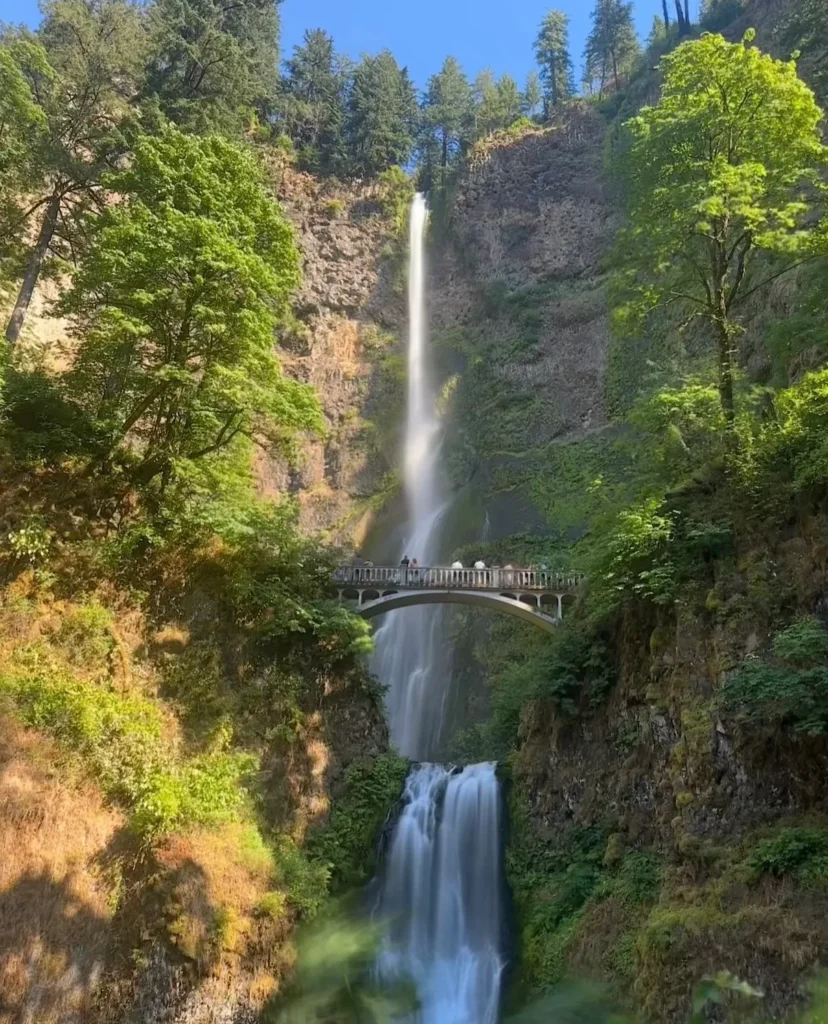
When you have extra time, head toward the Columbia River Gorge, Mount Hood, the Oregon Coast, or Willamette Valley wine country.
Give yourself time to wander and see where the city leads.
USEFUL LINKS
Walks, trails &
destinations
07 | GOOD TO KNOW
Frequently Asked Questions
Does Portland Have Sales Tax?
No. Oregon does not have a general sales or transaction tax, so the shelf price is usually the amount you pay for ordinary retail purchases.
There are exceptions and separate taxes, including lodging taxes and certain vehicle-related taxes. If you cross the river into Washington, local and state sales taxes apply there.
Does It Really Rain All the Time?
No but Portland does have a long wet season.
Most rain falls between autumn and spring, often as light showers or steady drizzle rather than dramatic downpours. Summers are usually warm and dry. The rain is also responsible for the mossy forests, enormous trees and exuberant gardens that make the city feel so green.
Bring a waterproof layer and keep exploring. Portland does not tend to stop for drizzle.
Do I Need a Car in Portland?
Not for most city visits.
Downtown, the Pearl District and many inner neighborhoods are accessible by walking, MAX, bus, streetcar or bicycle. A car becomes much more useful for reaching Mount Hood, the Oregon Coast, wineries and less accessible trailheads.
A good compromise is to explore Portland without a vehicle and rent one only for regional day trips.
How Many Days Should I Spend in Portland?
Three days gives you enough time to explore several neighborhoods, visit a garden or museum, eat at a few food-cart pods and take a walk through Forest Park.
Four or five days allows for a more relaxed pace and at least one day trip to the Columbia River Gorge, Mount Hood, the Oregon Coast or wine country.
Portland rewards unplanned time, so leave a little room for the bookstore, café, garden or neighborhood you did not know you were going to love.
Is Portland Safe for Visitors?
Most visitors explore Portland without serious problems, but normal city awareness is important.
Keep valuables out of sight, do not leave luggage in a parked car and pay attention to your surroundings late at night. Conditions can vary from block to block, particularly around parts of Old Town–Chinatown. If an area feels uncomfortable, move toward a busier street or use a taxi or rideshare.
For current neighborhood information, closures and local guidance, consult Travel Portland.
Follow a greenway. Cross a bridge. Wander beneath the trees. Stay longer than planned in a bookstore, then find a food cart you did not know you were looking for.
There is always another trail, garden, coffee shop, or curious little corner waiting around the next block.
David James Duncan, The River Why
THOUGHTFULLY RESEARCHED
Written by Jacqueline Miller, founder of Adventurous Ambles. Through firsthand travel, original photography, and detailed route research, Jacqueline creates walking guides, hiking resources, destination reading lists, and travel inspiration for curious travelers. Unless otherwise noted, all content and photography on Adventurous Ambles are original works protected by copyright.
KEEP WANDERING
More Adventurous Ambles in Portland
READING LIST
CITY WALK
Books, Brews, & One Surprise Llama
Downtown Portland & the Pearl District, Oregon, US
HIKING GUIDE